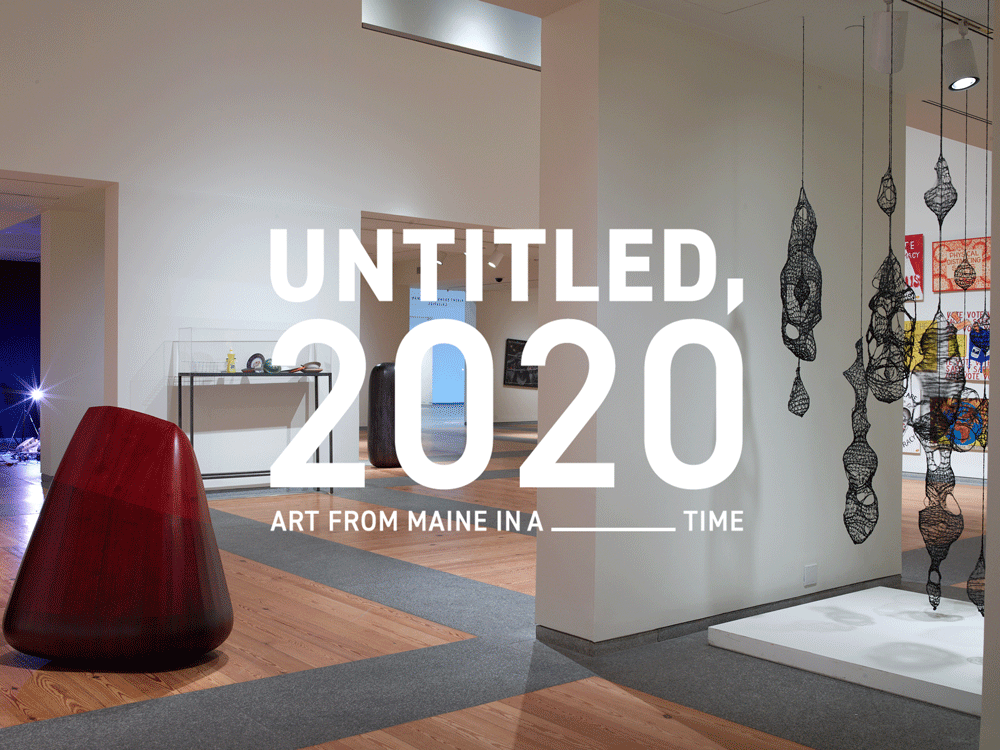
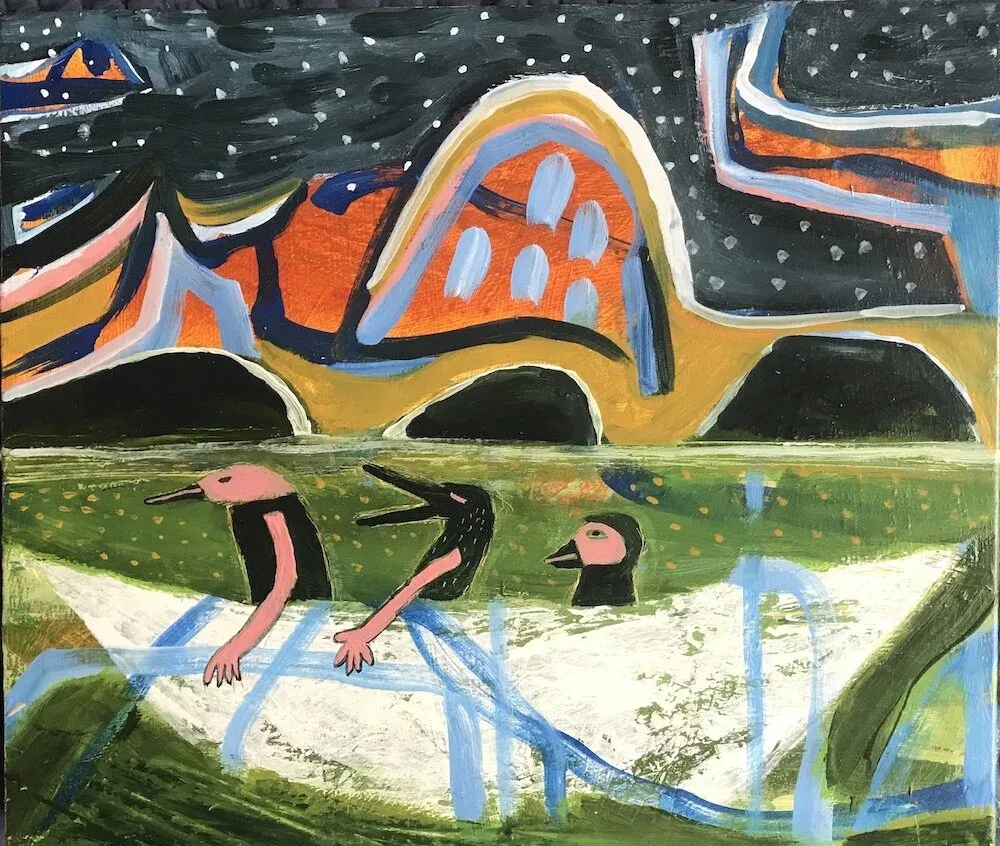
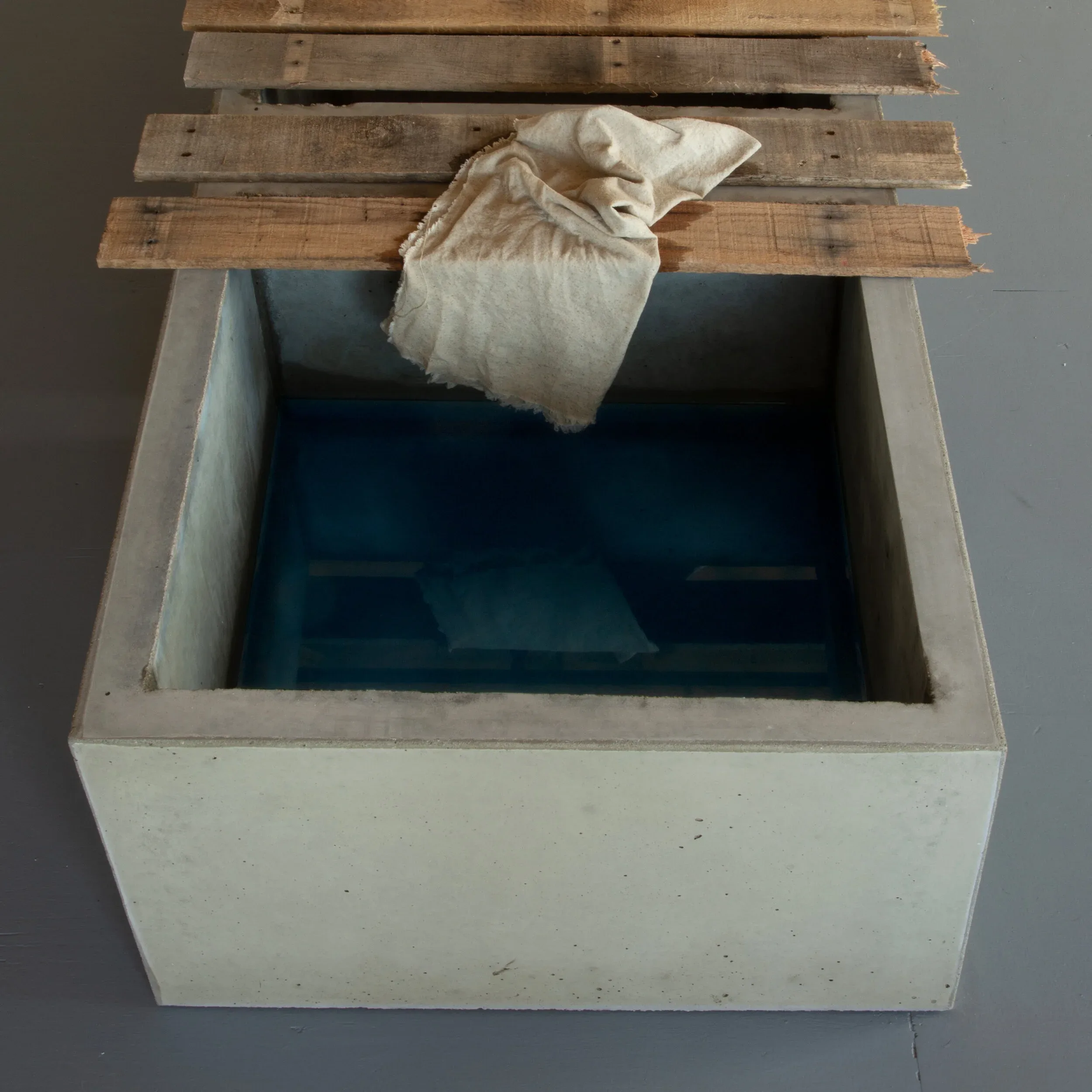
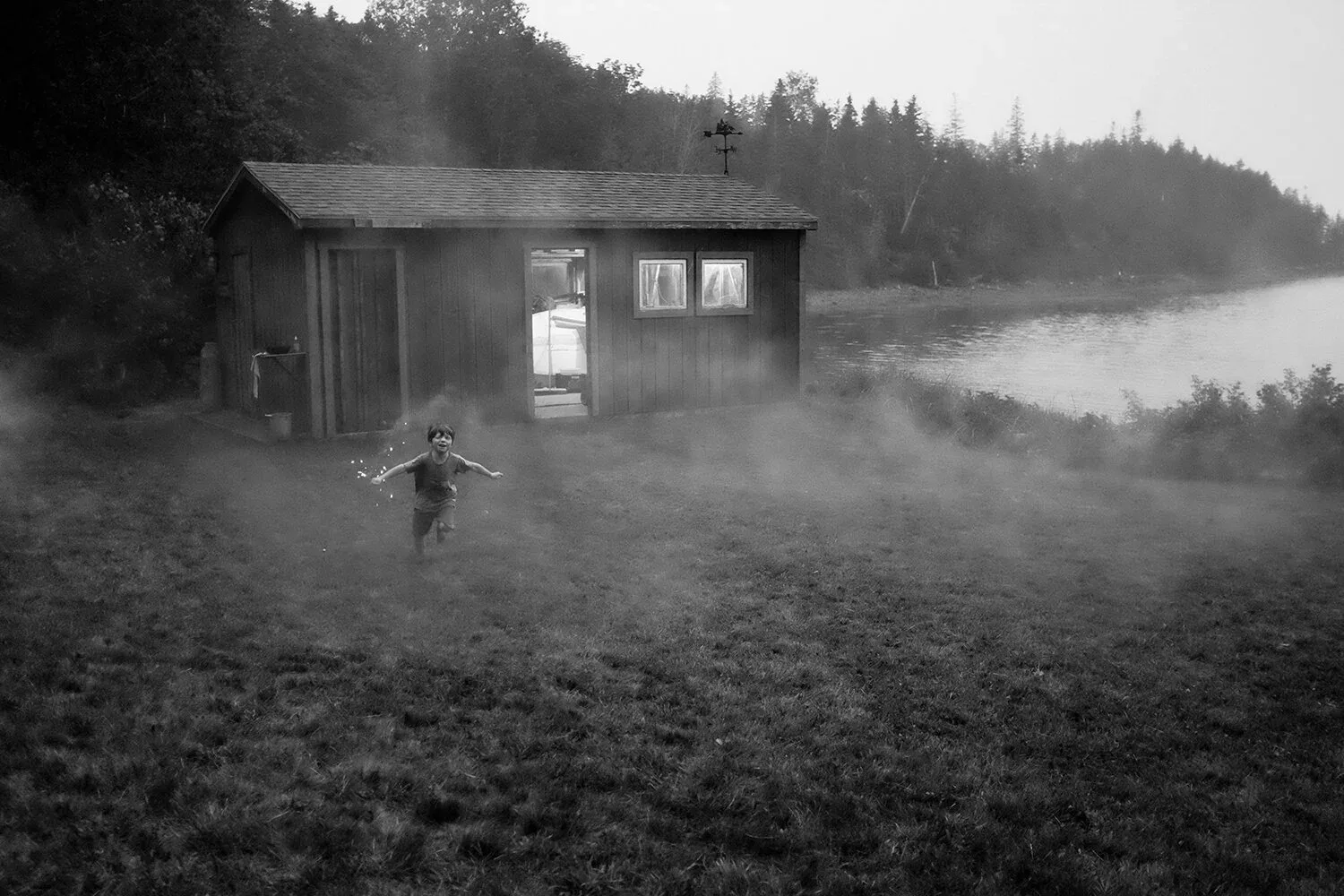
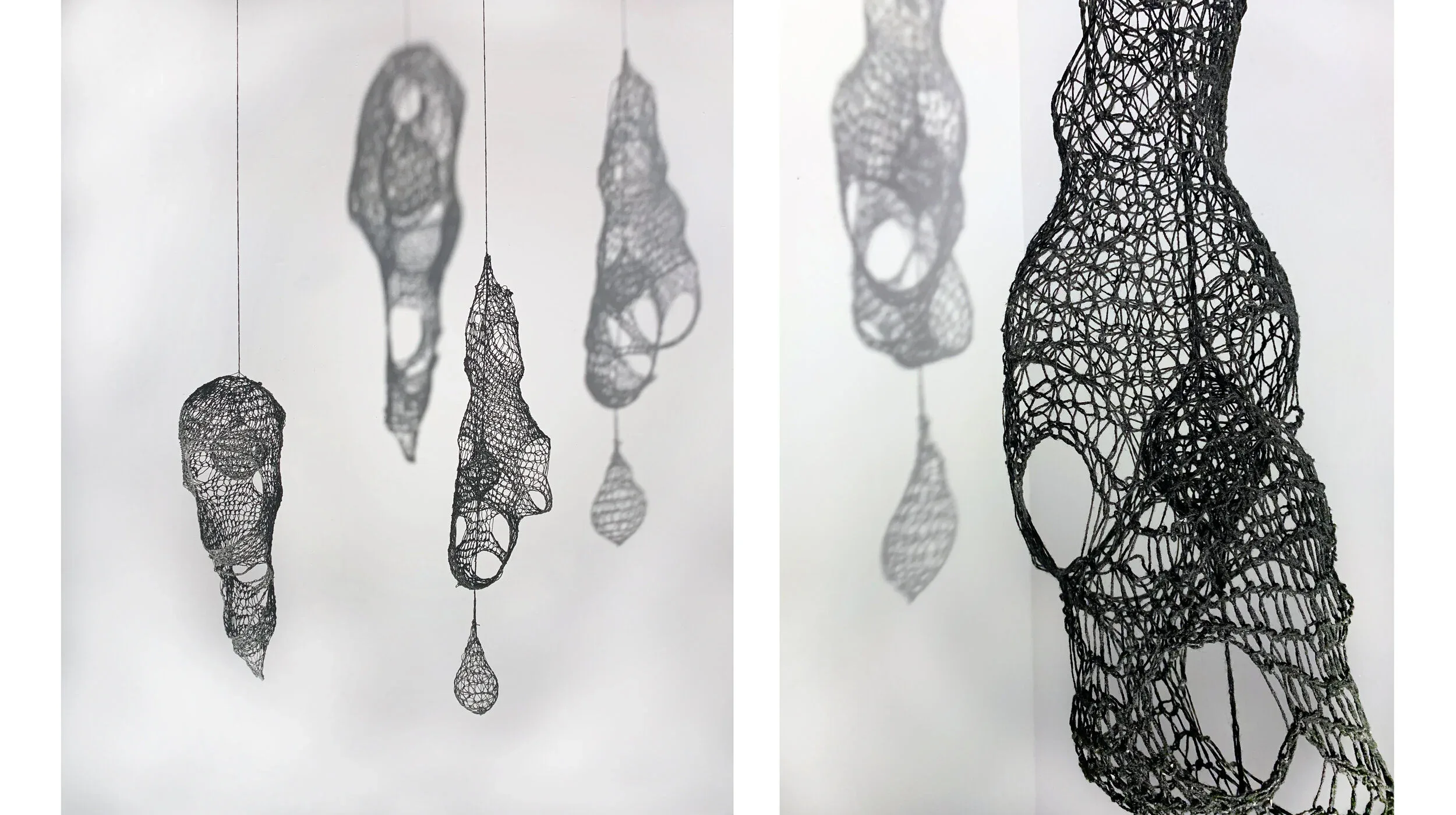
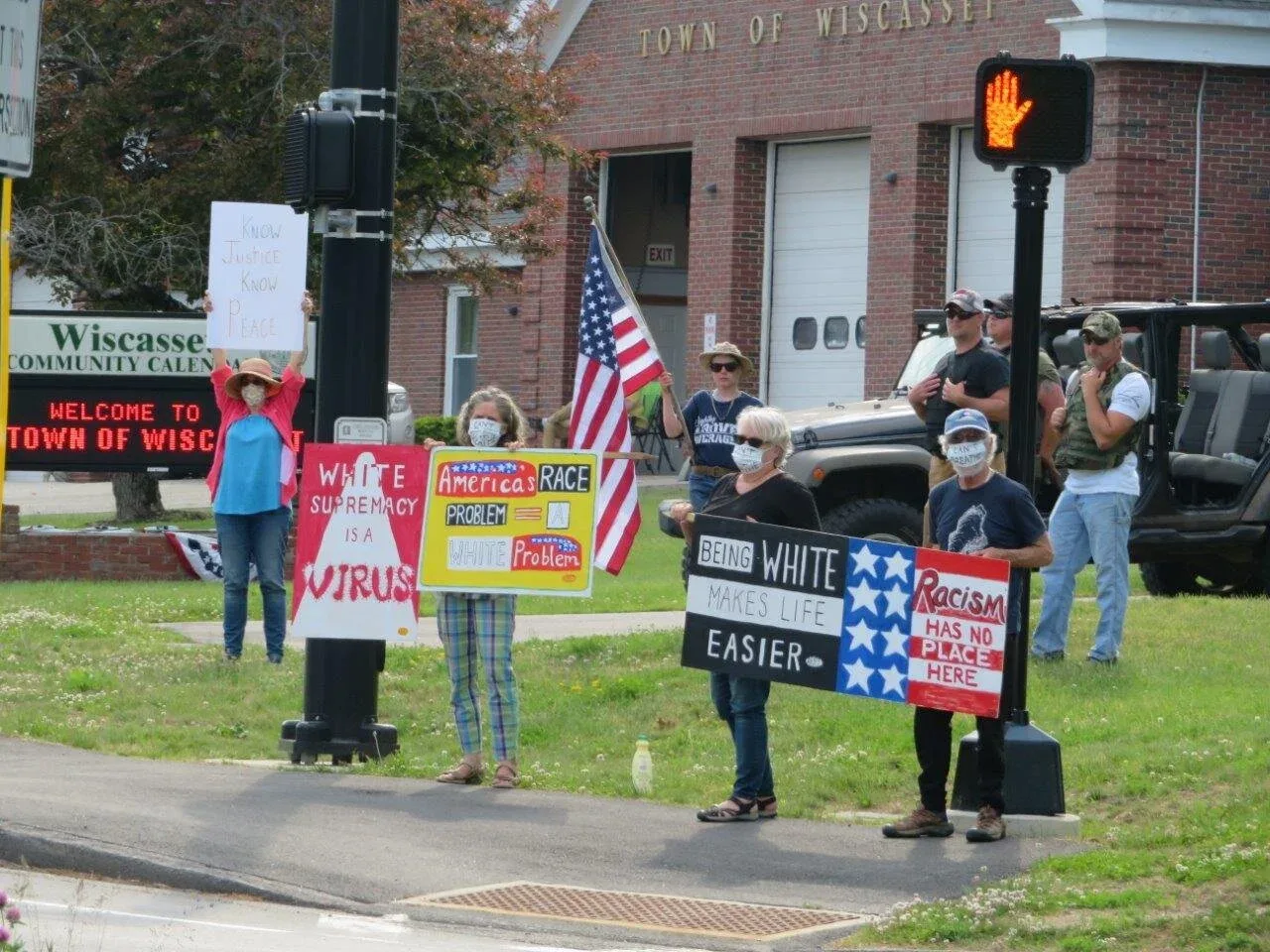
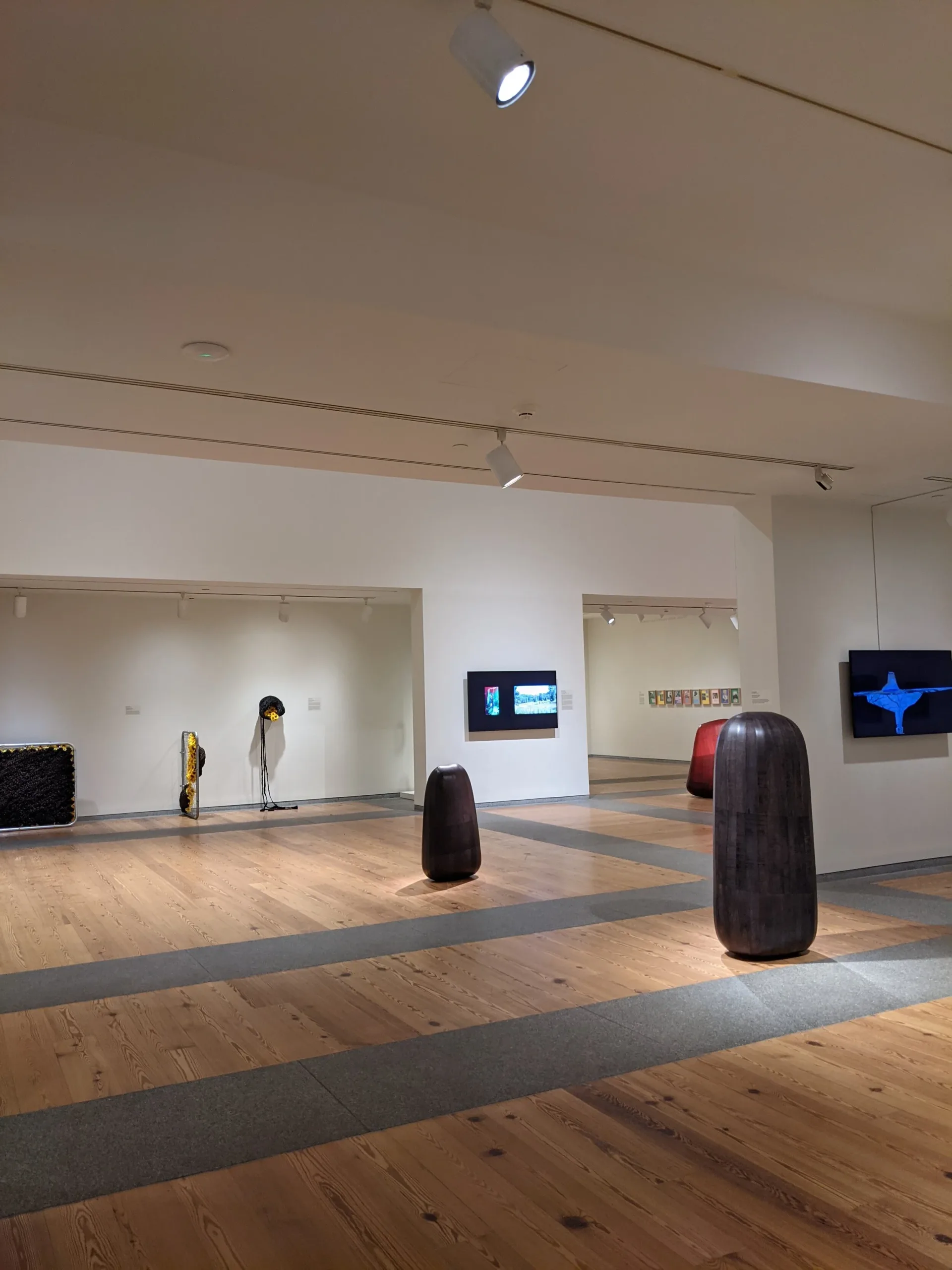
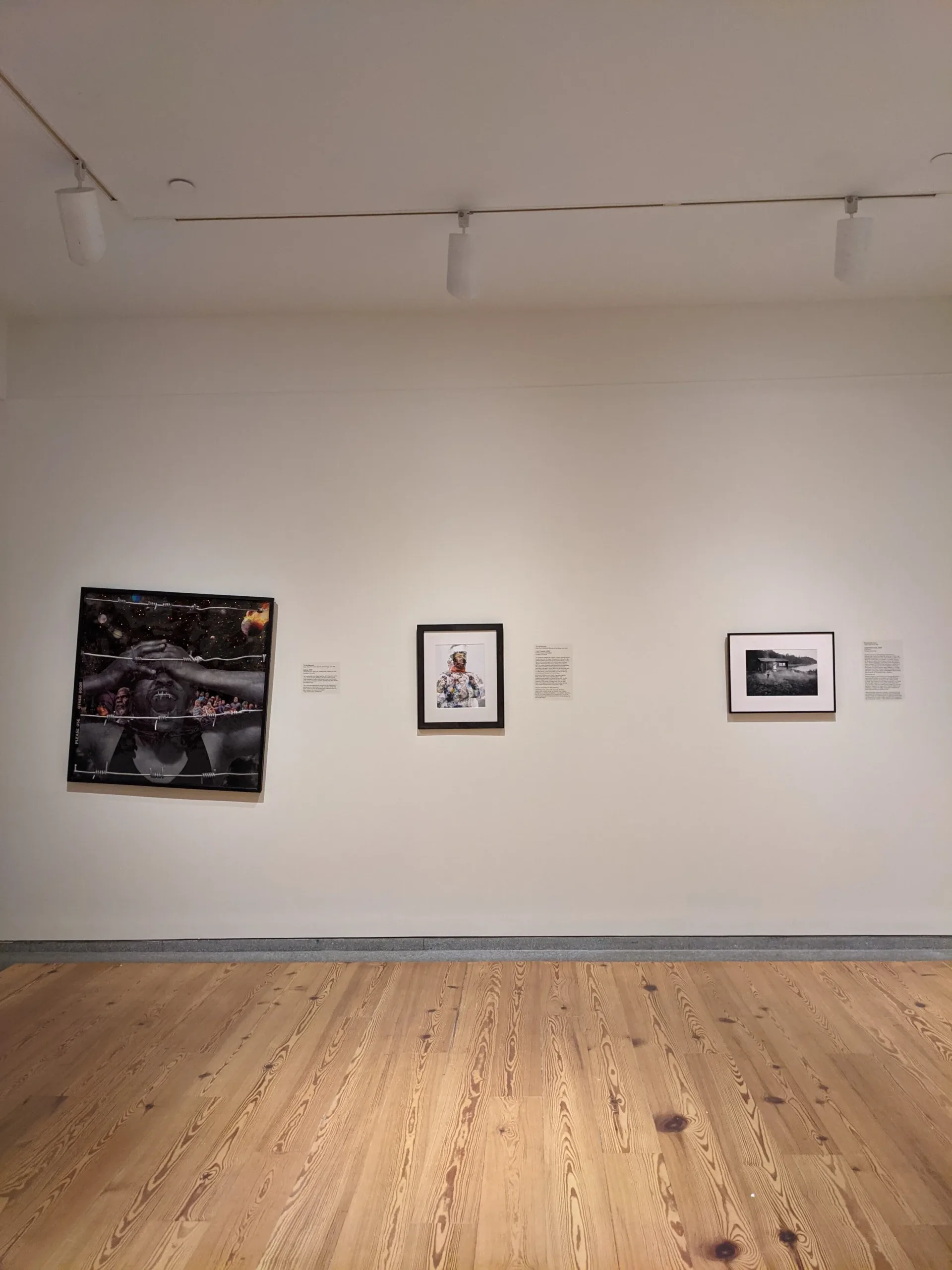
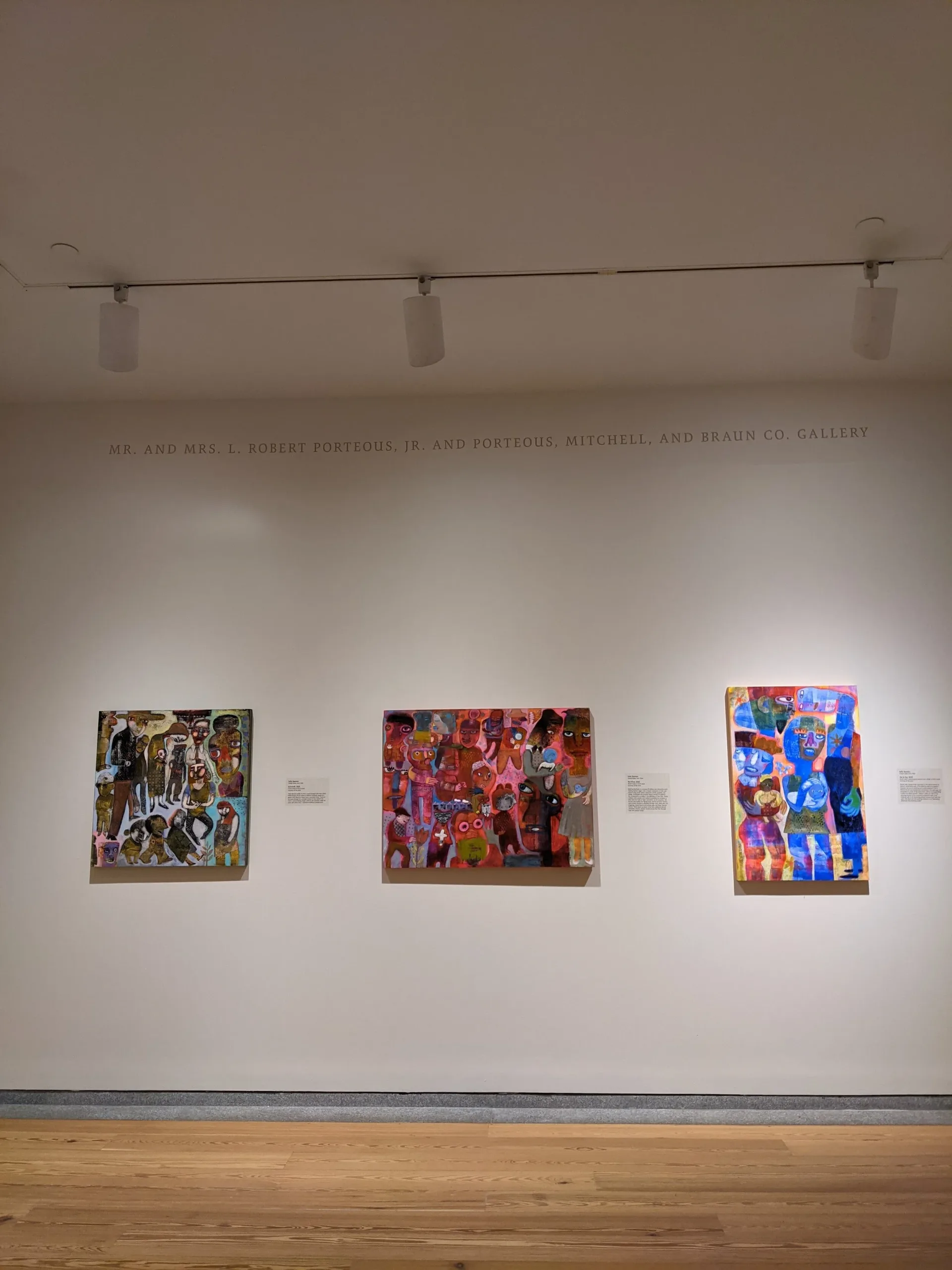
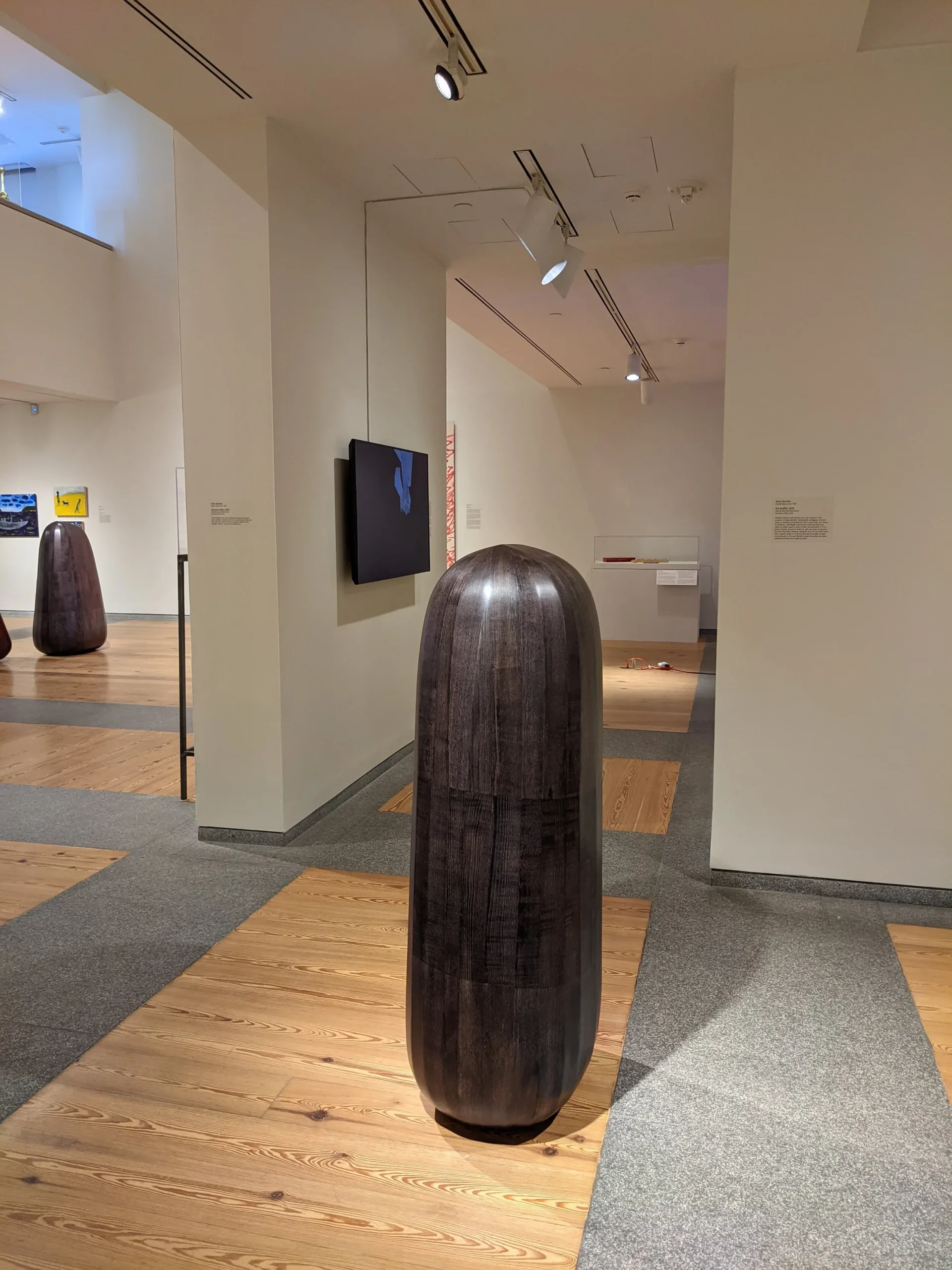
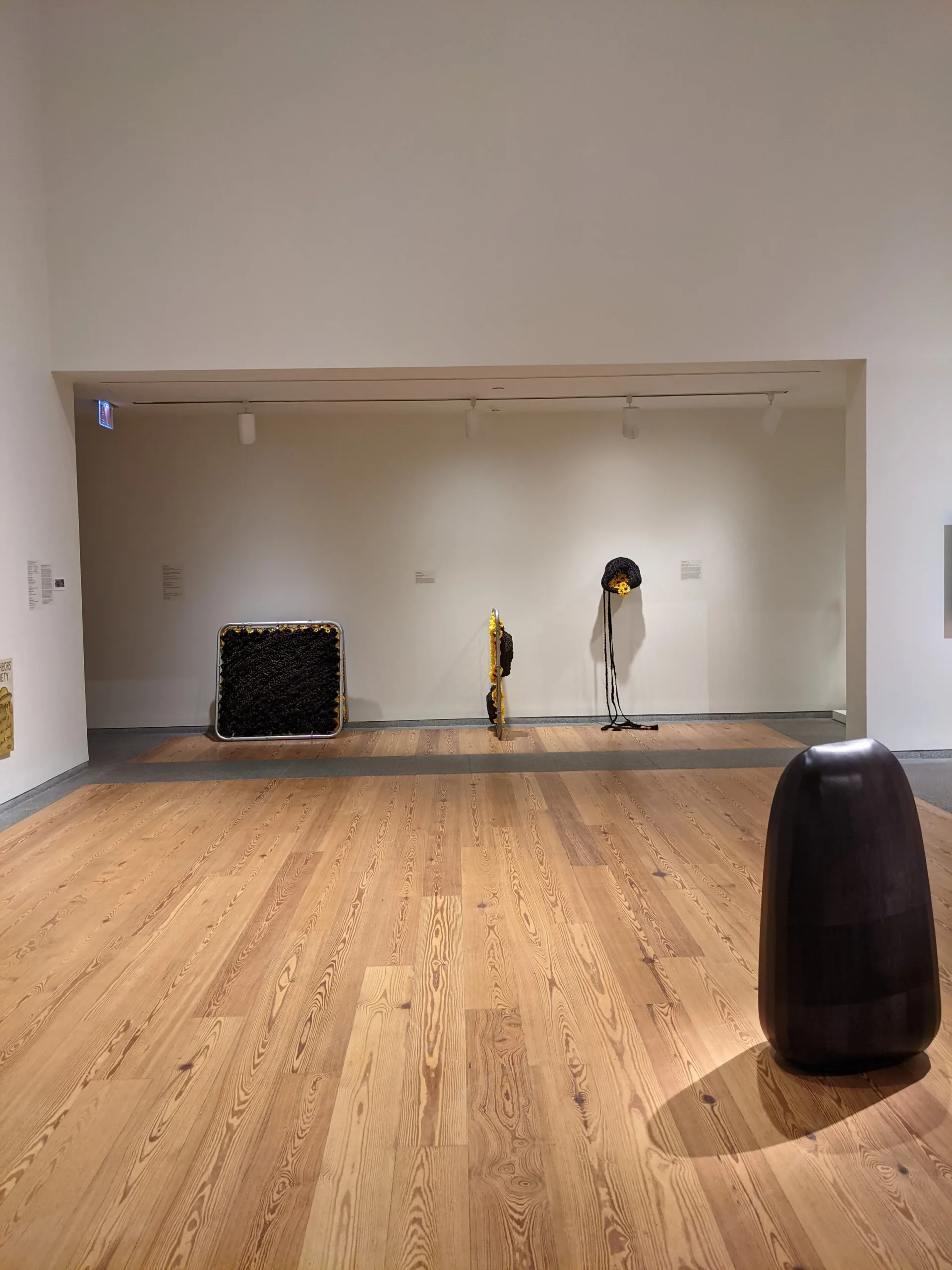
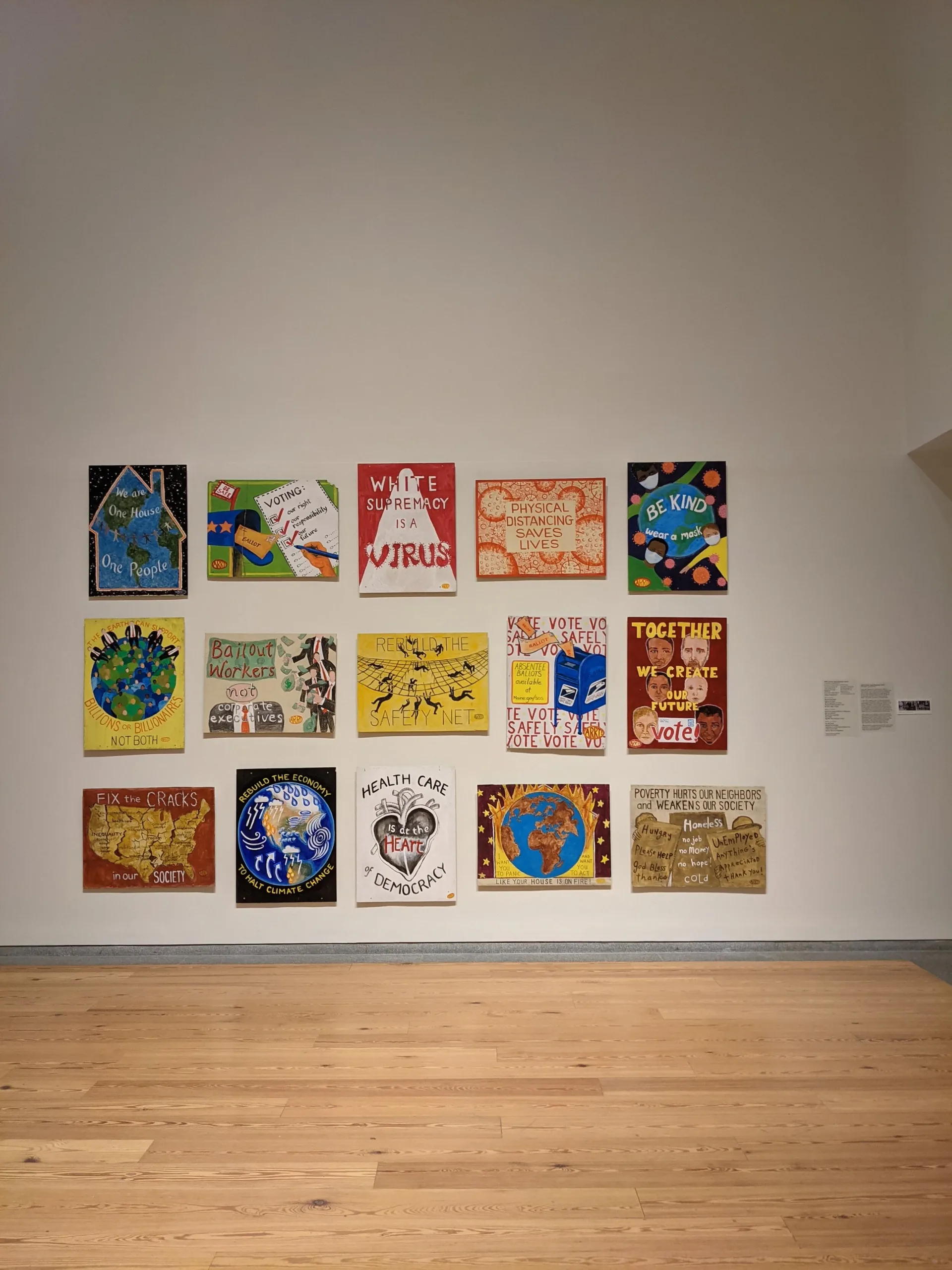
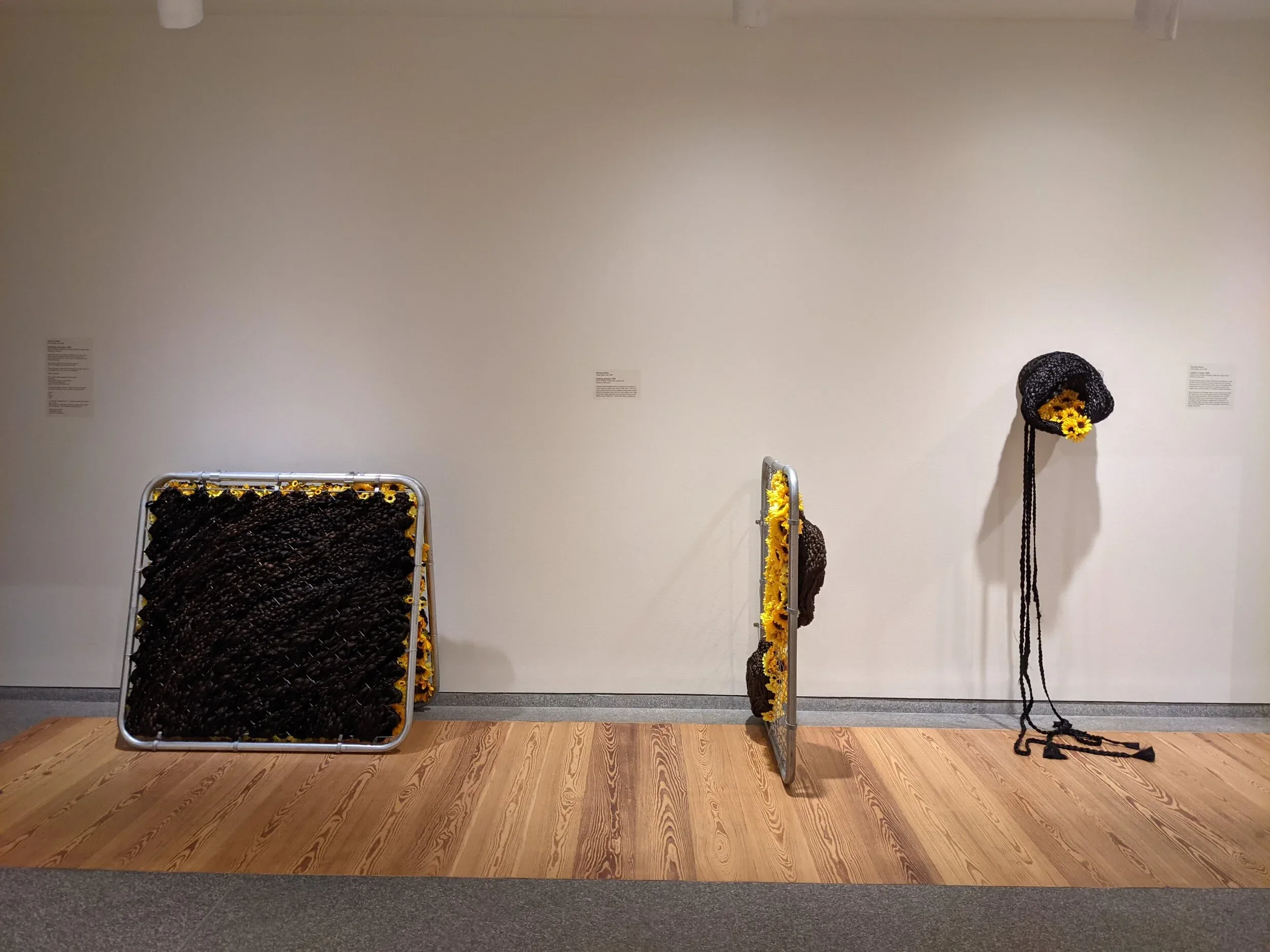
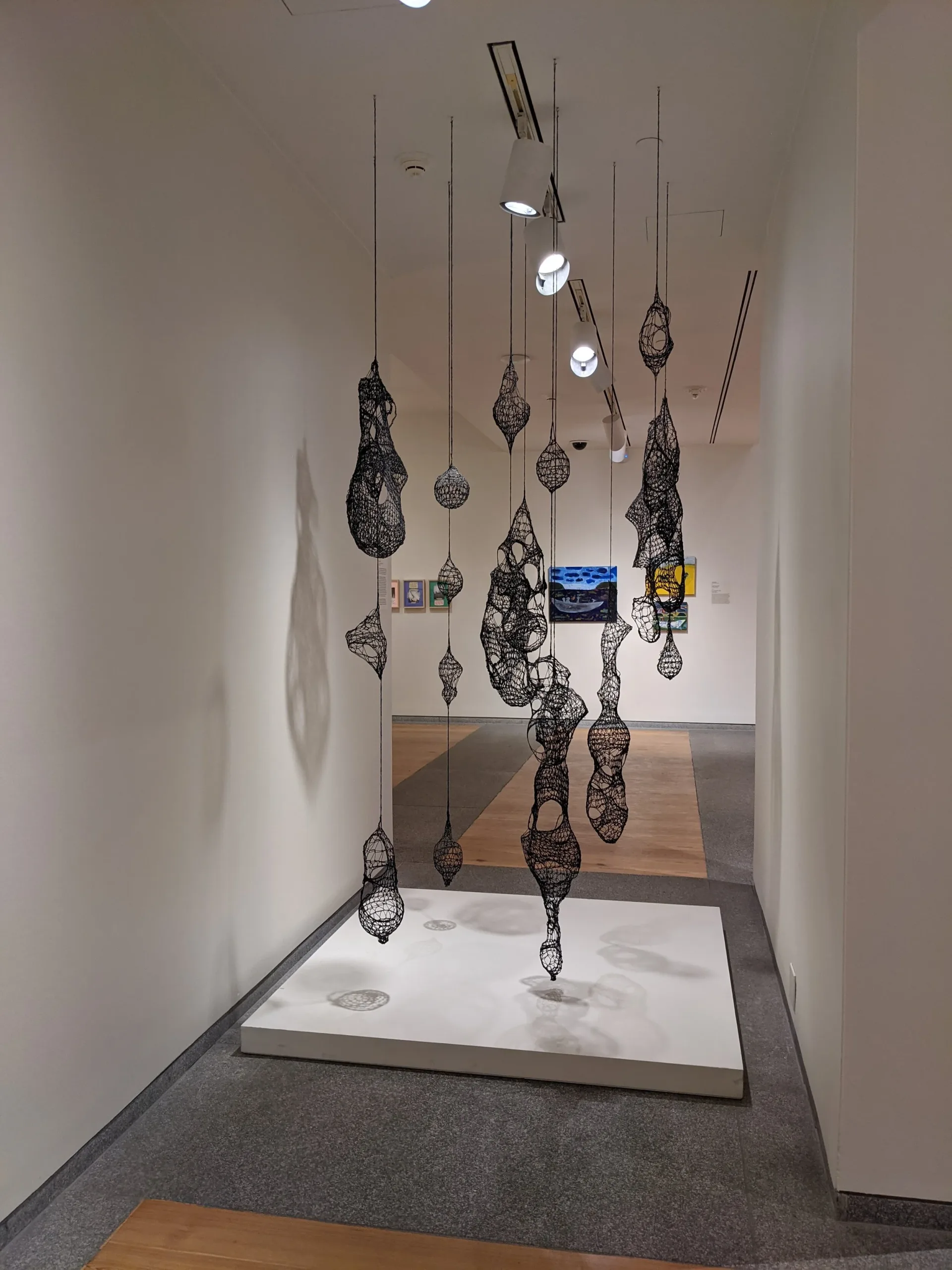
The events of 2020 profoundly impacted artists in different ways. From personal hardships due to the Covid-19 pandemic, concerns around the election and political instability, and solidarity with coalescing movement against systemic racism, featured works in Untitled, 2020record how artists working in Maine were coping with, and responding to, this pivotal moment in our history. (On view February 12 — May 30, 2021)
3,500 virtual visitors in its first five days
Social media reach of 50,000 unique individual views
While the exhibition was on view, 14,679 individuals visited the museum
5,445 unique page views were recorded (Overall website was 81,554 unique users and 141,296 unique page views)
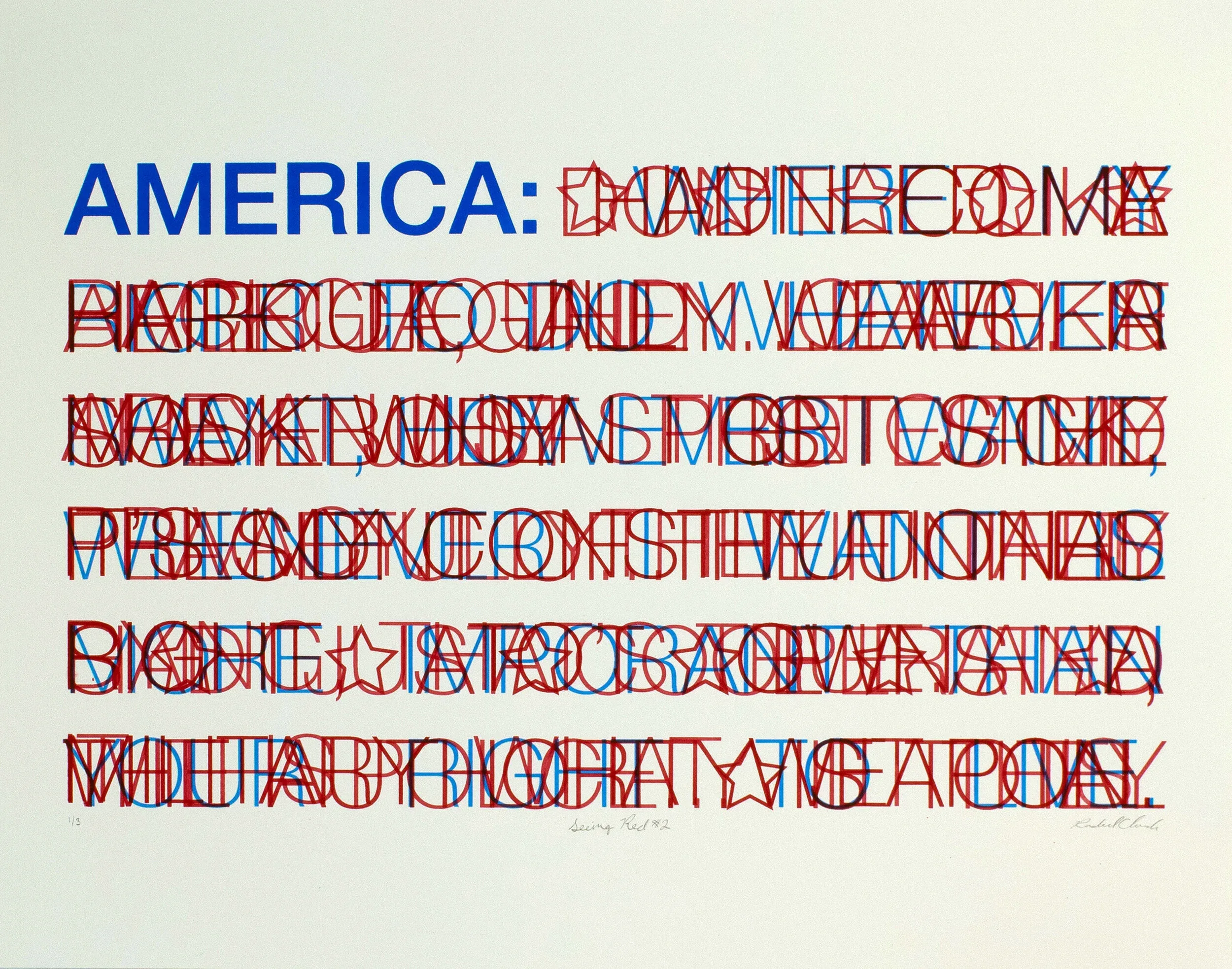
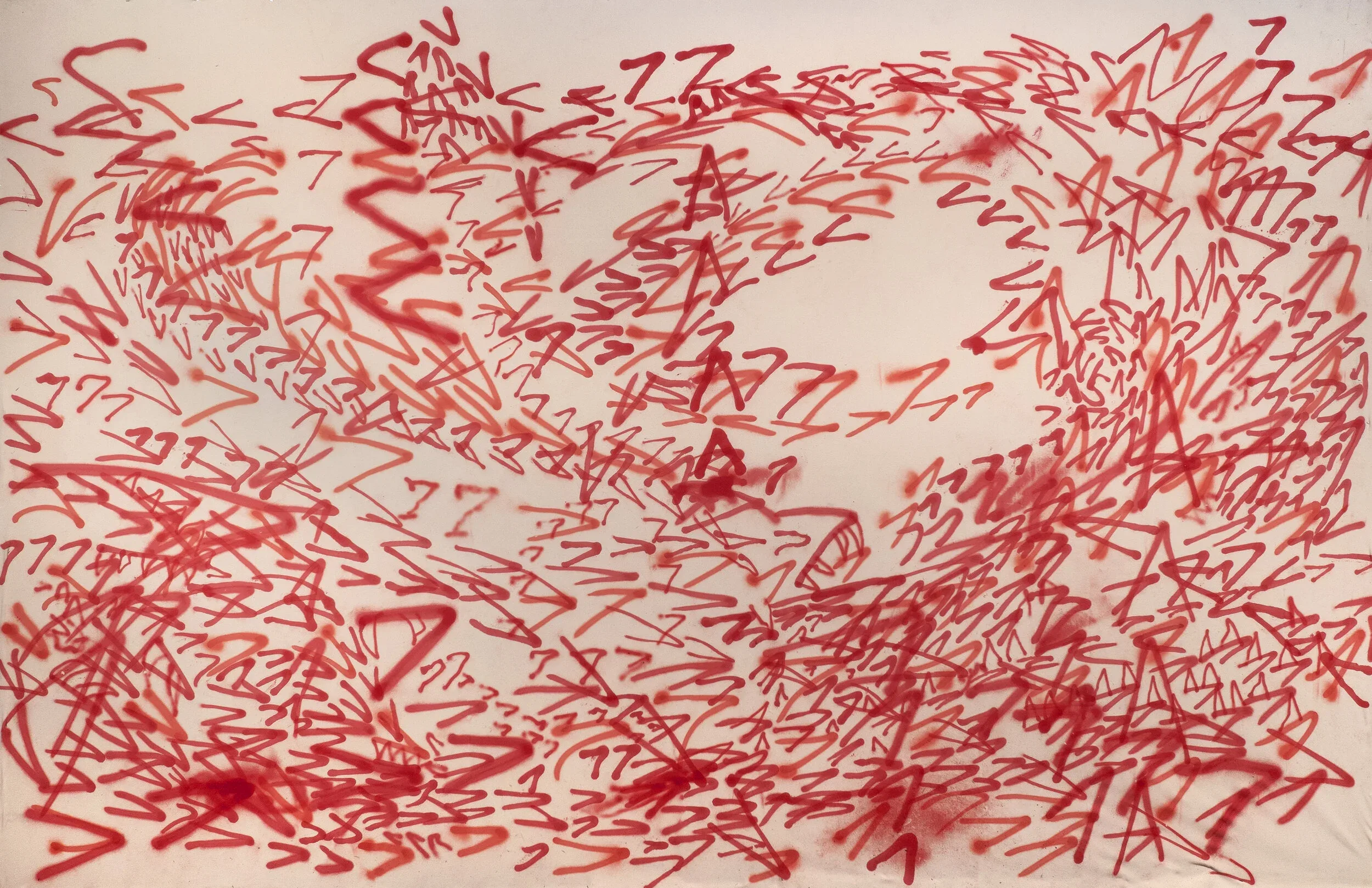
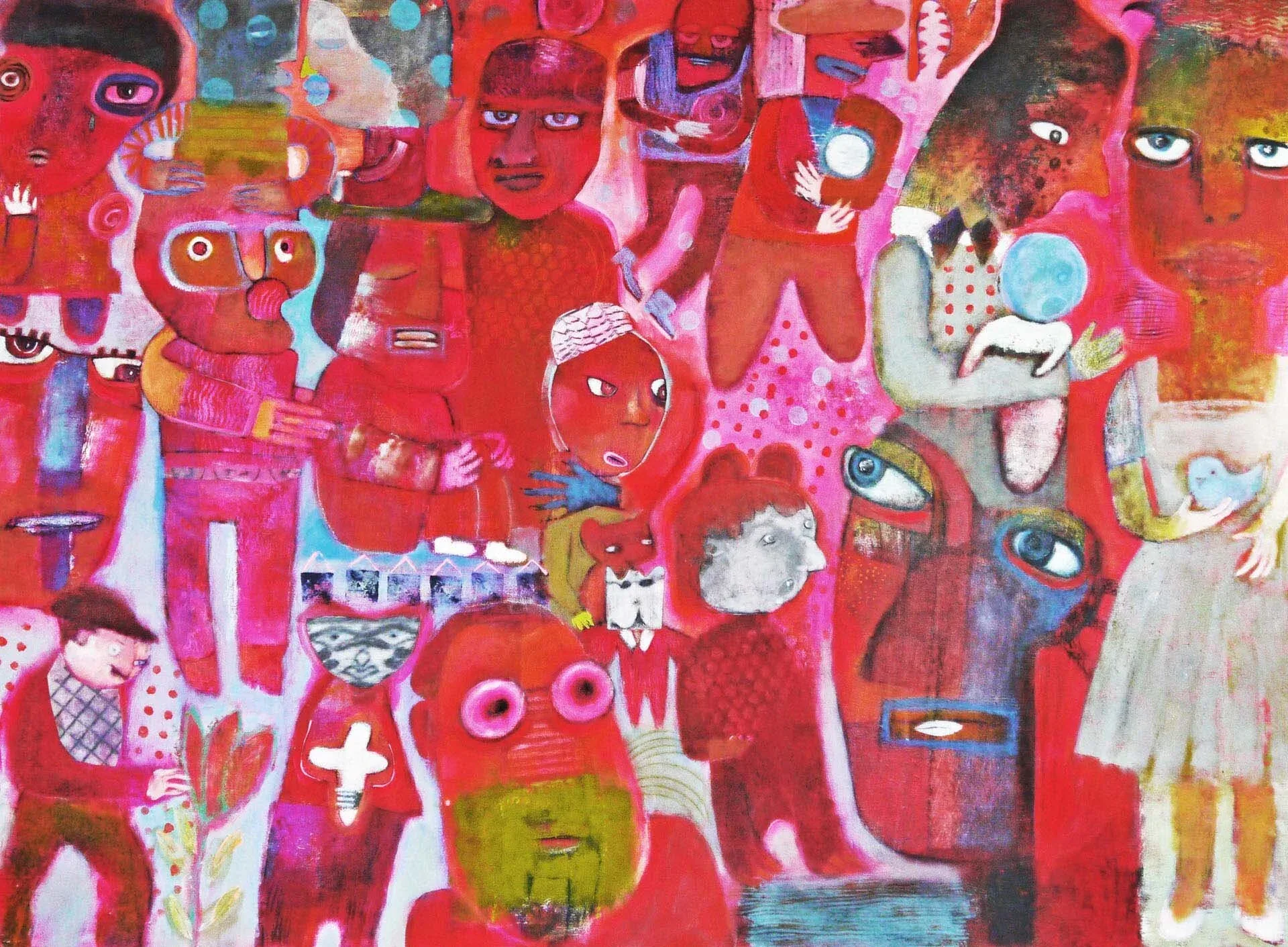
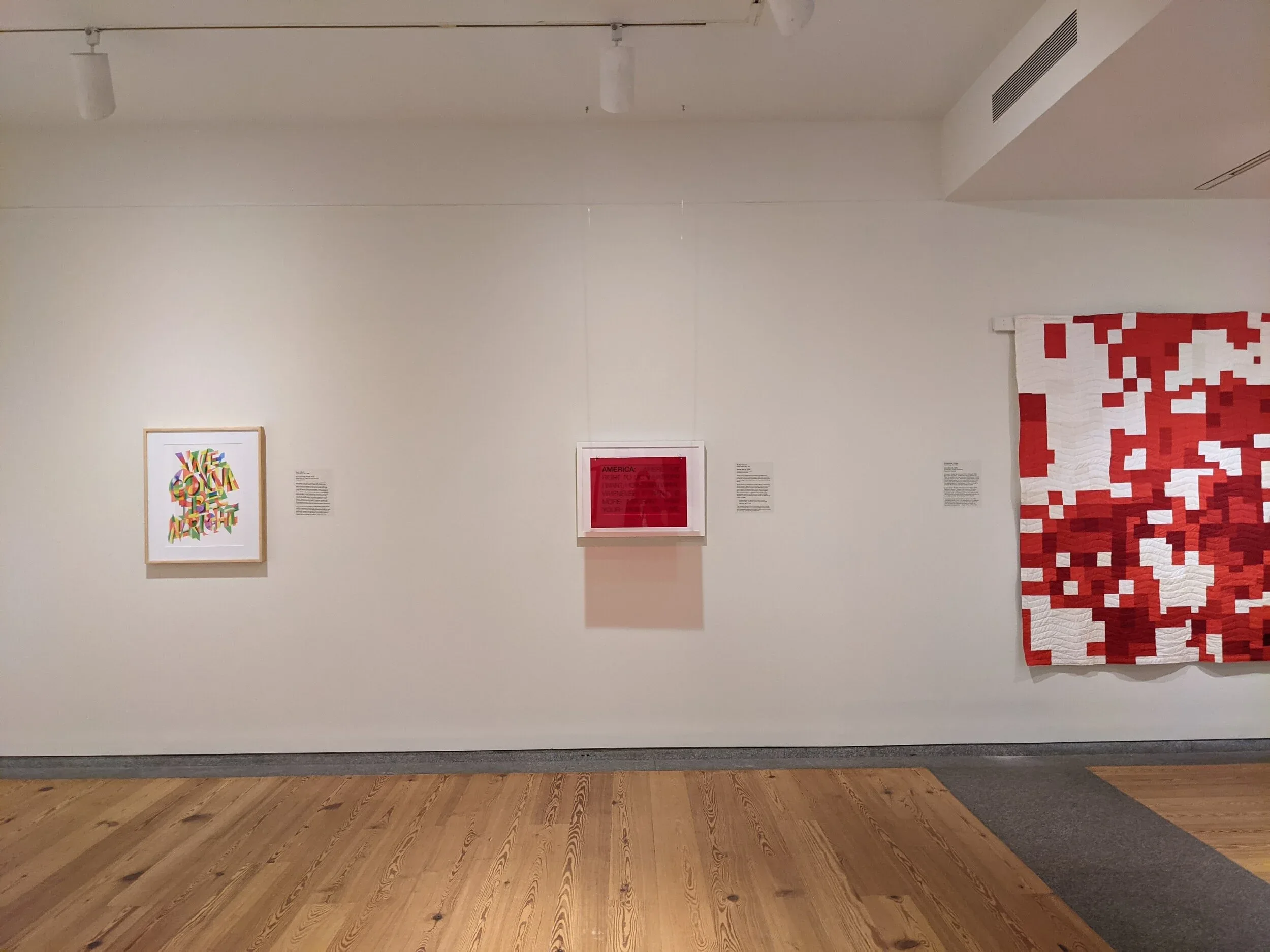
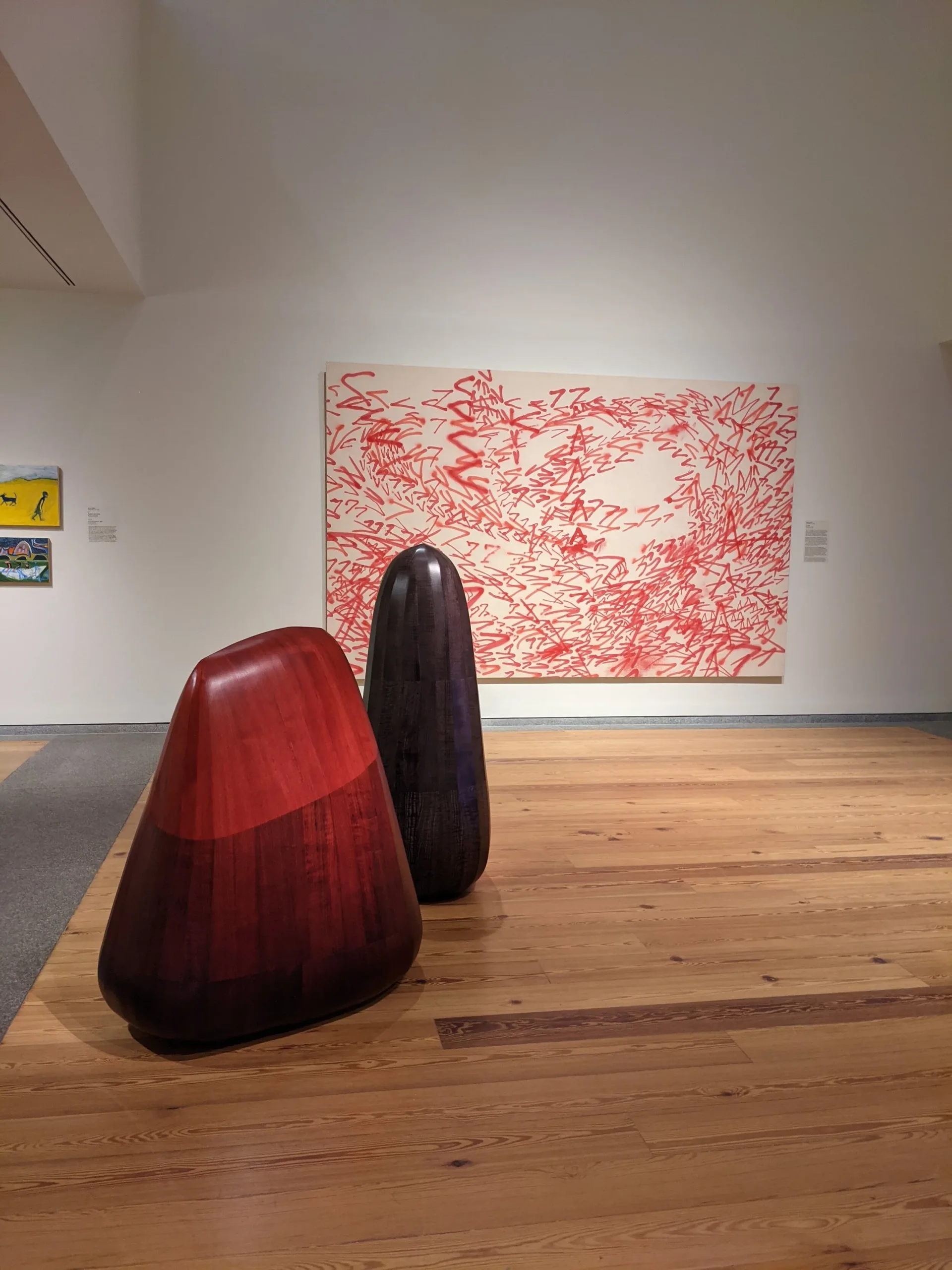
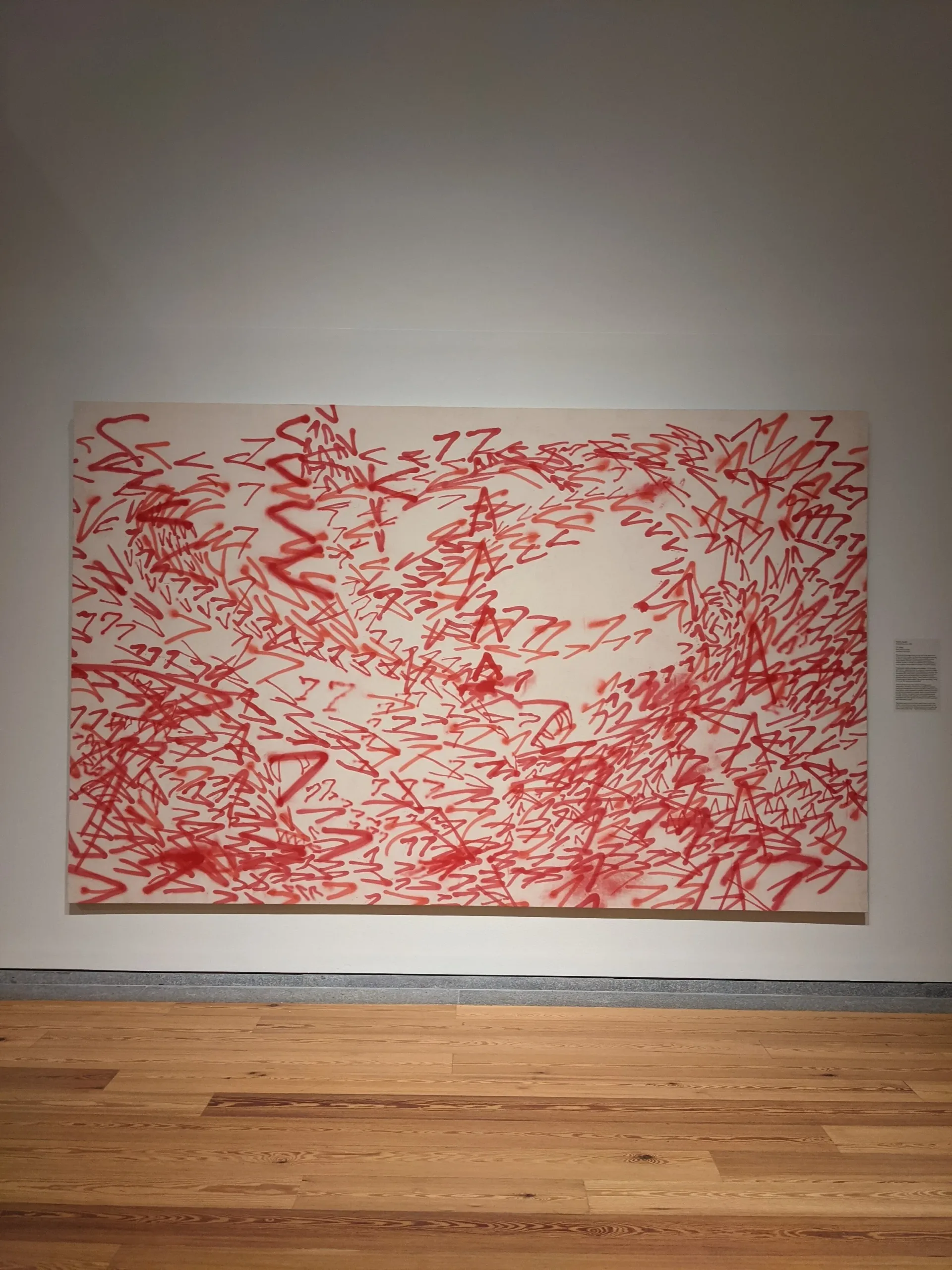
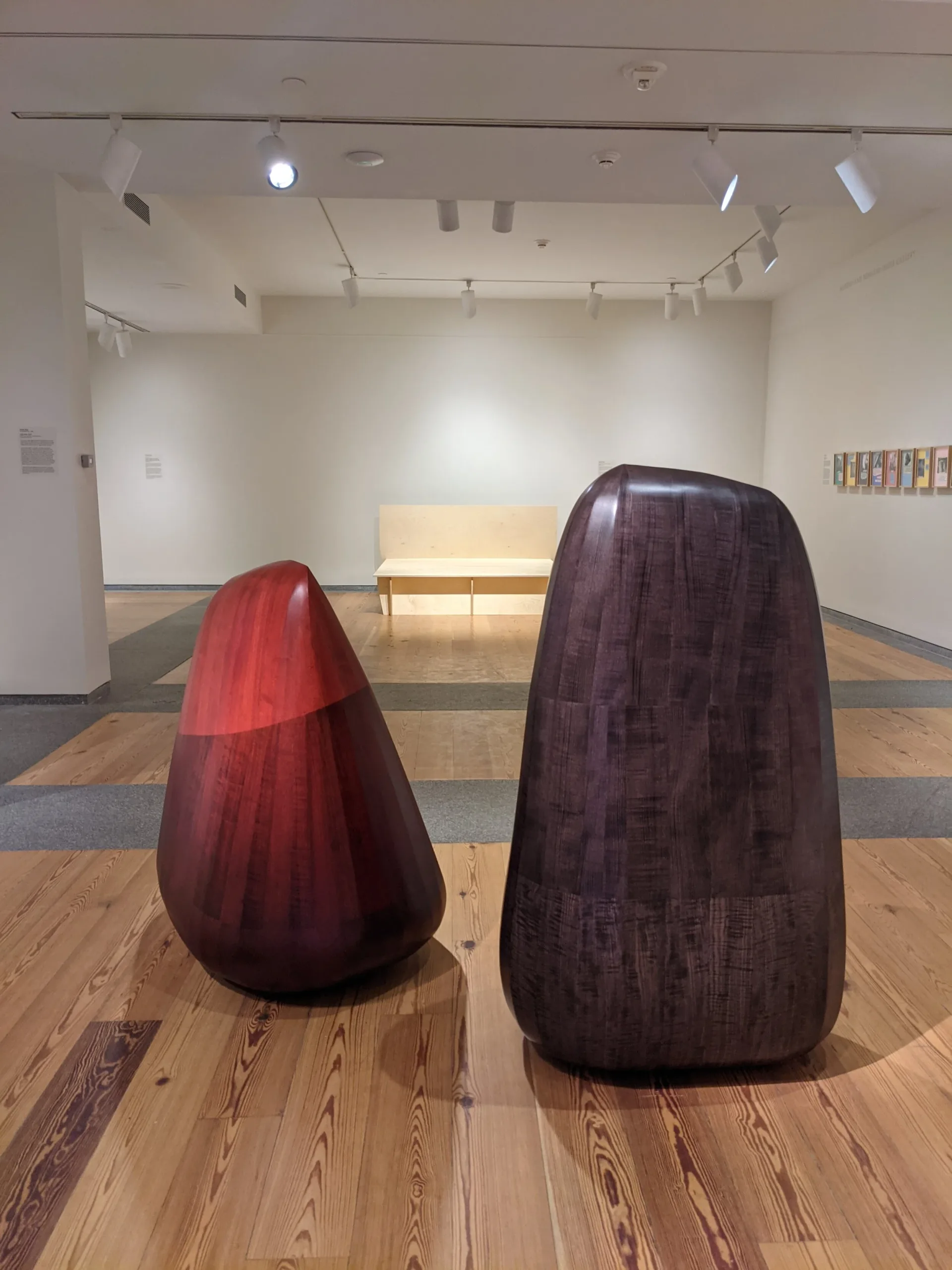
Rachel Church responds to her own lived experience to bring attention to issues that have more importance than first meets the eye, both politically and personally. In 2020, she responded to the lack of compassion and empathy exhibited toward other human beings in the United States with the creation of Seeing Red #2.
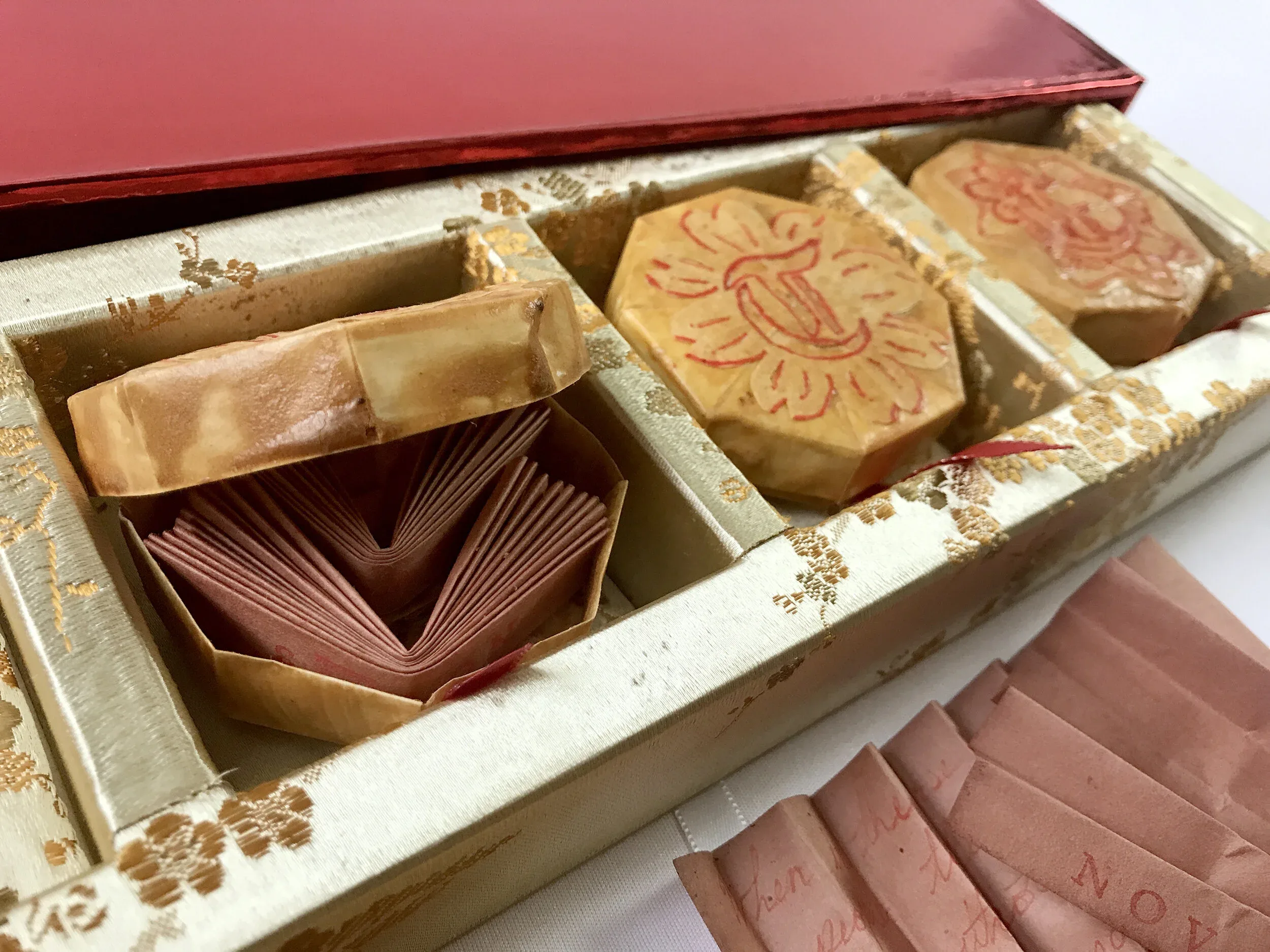
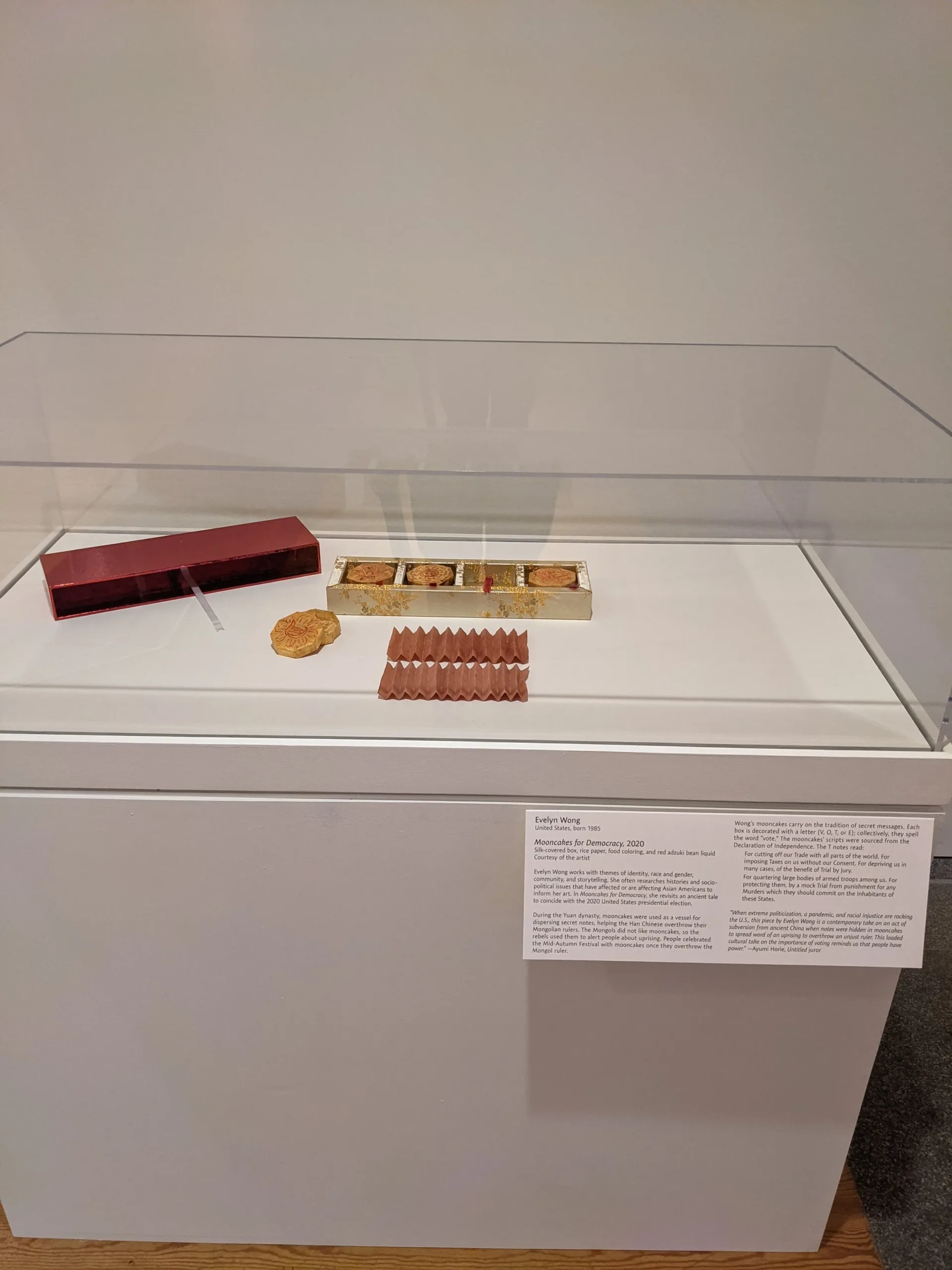
Interdisciplinary artist Evelyn Wong works with themes of identity, race and gender, community, and storytelling. Wong often researches histories and socio-political issues that have affected or are affecting Asian Americans to inform her art. In Mooncakes for Democracy, she recalls and updates an ancient tale about love and betrayal to coincide with the 2020 United States presidential election.
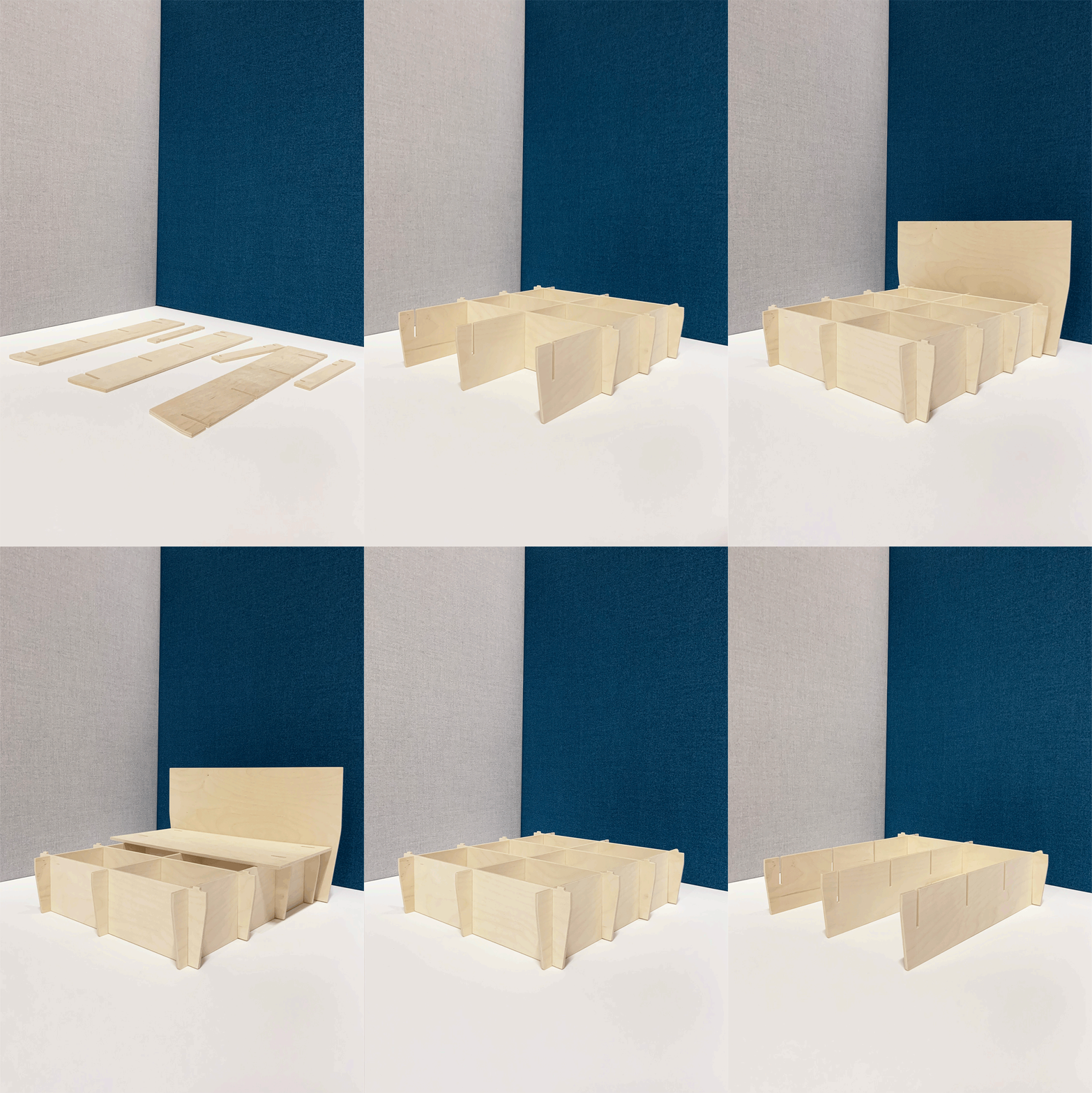
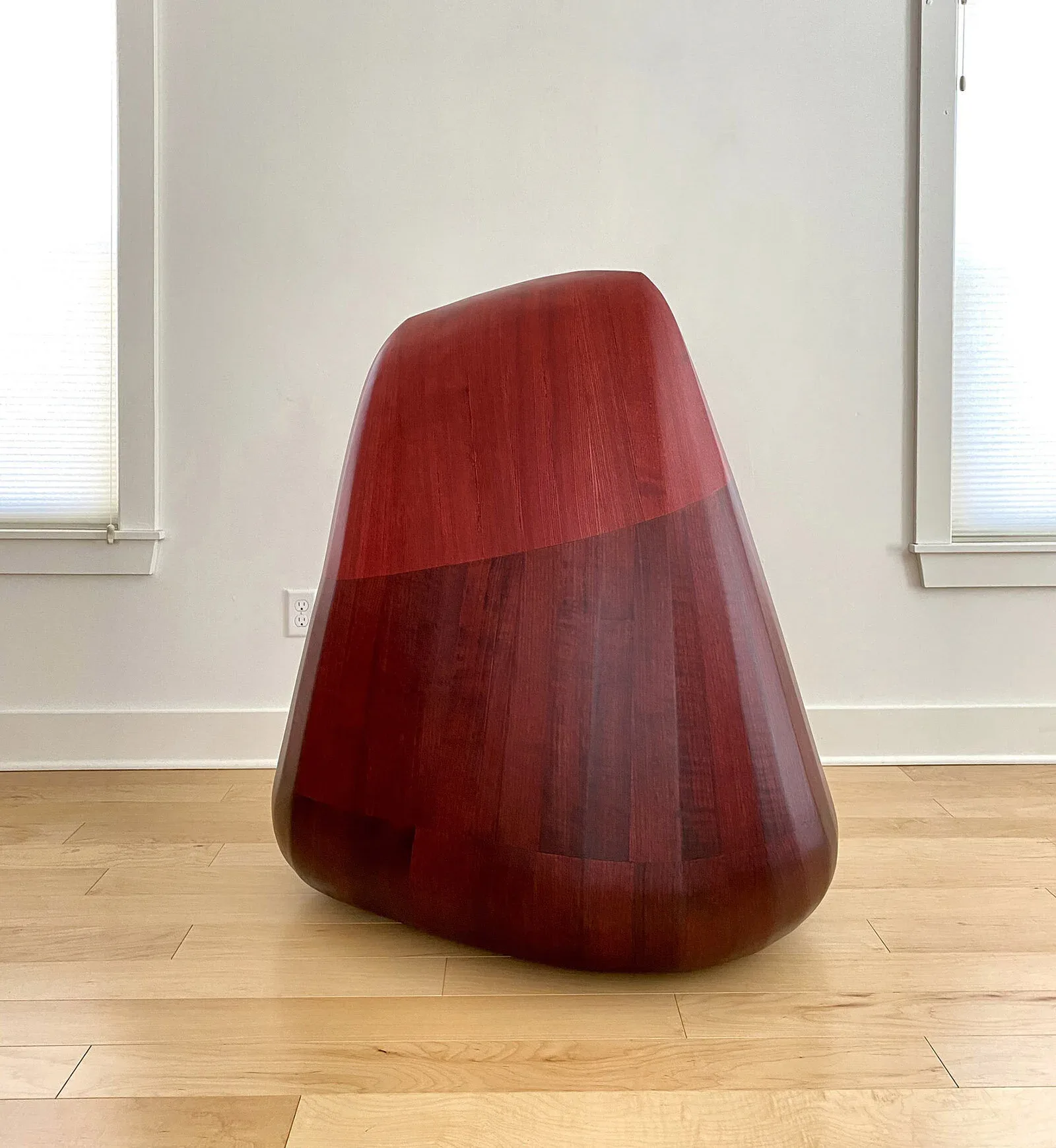
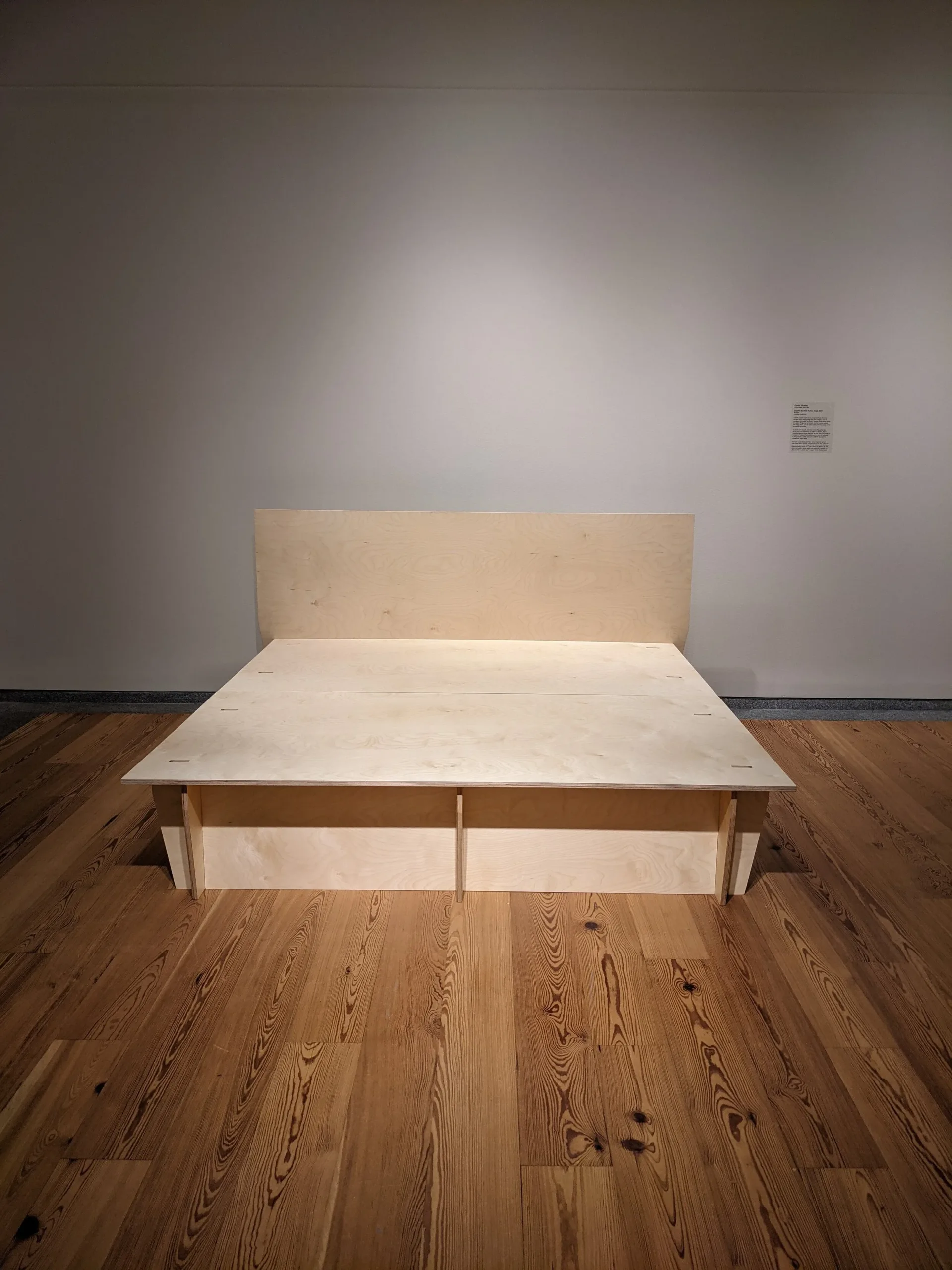
In 2020, sculptor and furniture designer Charles Schreiber thought about making things that were compact, easy to transport, and mobile. He shared, “Nobody knows what’s going to happen. Things feel so insecure now for so many people that being able to pull up stakes quickly and move seems to be something to consider.”
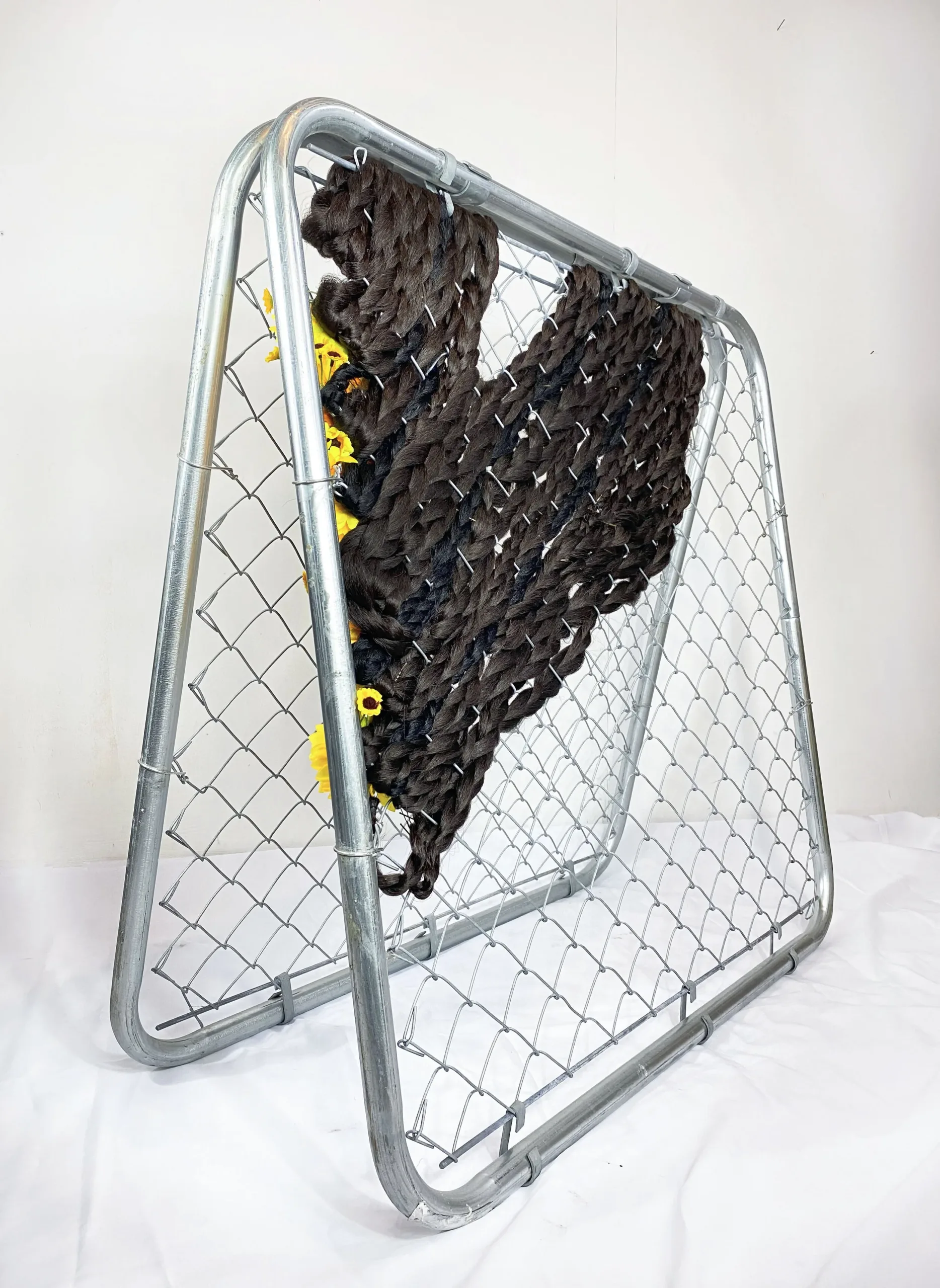
Sculptor veronica a perez utilizes artificial hair and flowers as well as other kitschy materials that serve as personal and universal commentaries on contemporary Latinx issues. She explores the hybridization of ancestry, identity and culture as well as the fragile nature of beauty ideals in thought-provoking sculptures.
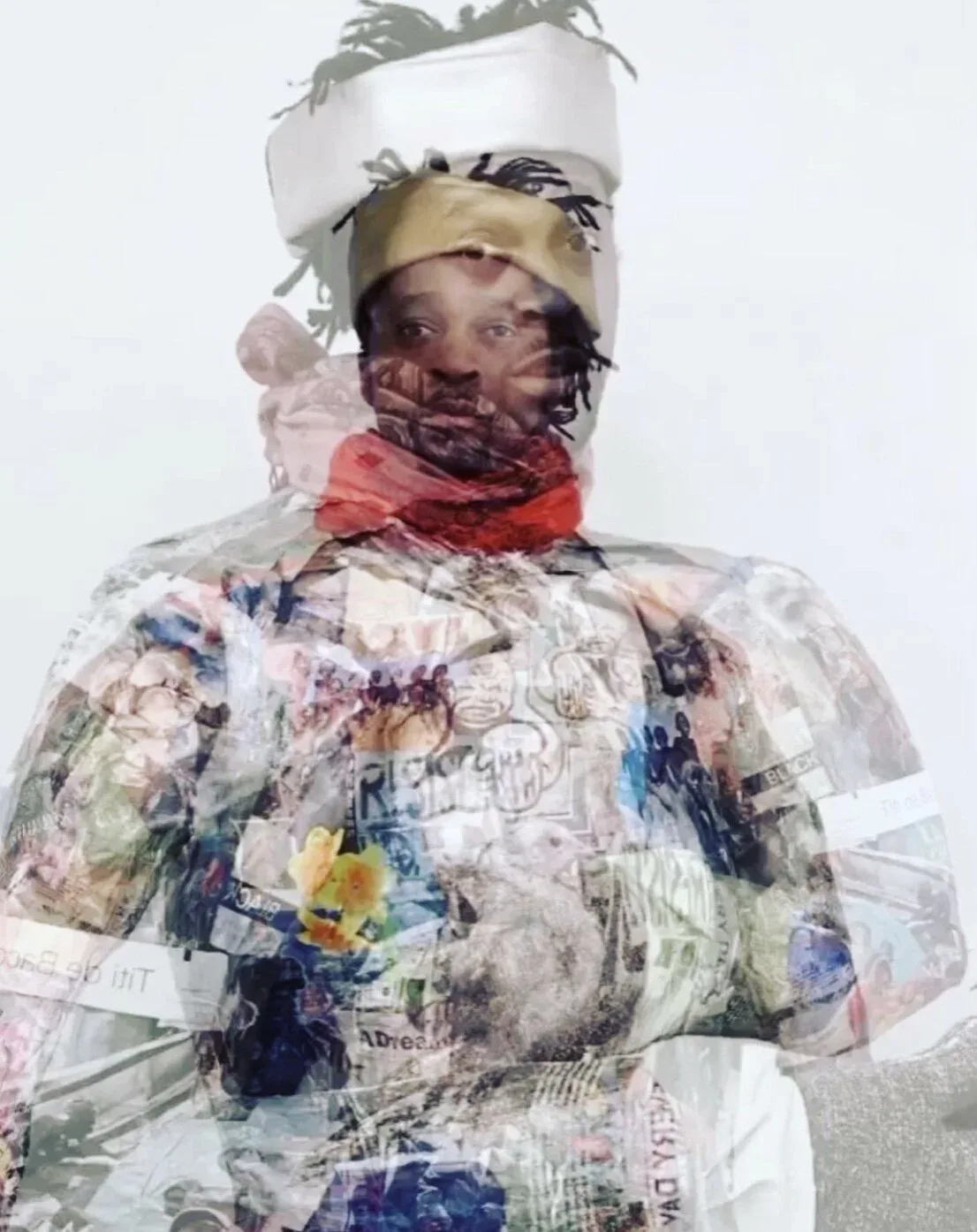
Titi de Baccarat identifies as a painter, sculptor, clothing designer, jeweler, and writer. He began to practice art in Africa in a very complex political context and he was forced to flee his country, Gabon, with only the wealth of his artistic ability. He found refuge in Maine and he has lived in Portland since February 2015.
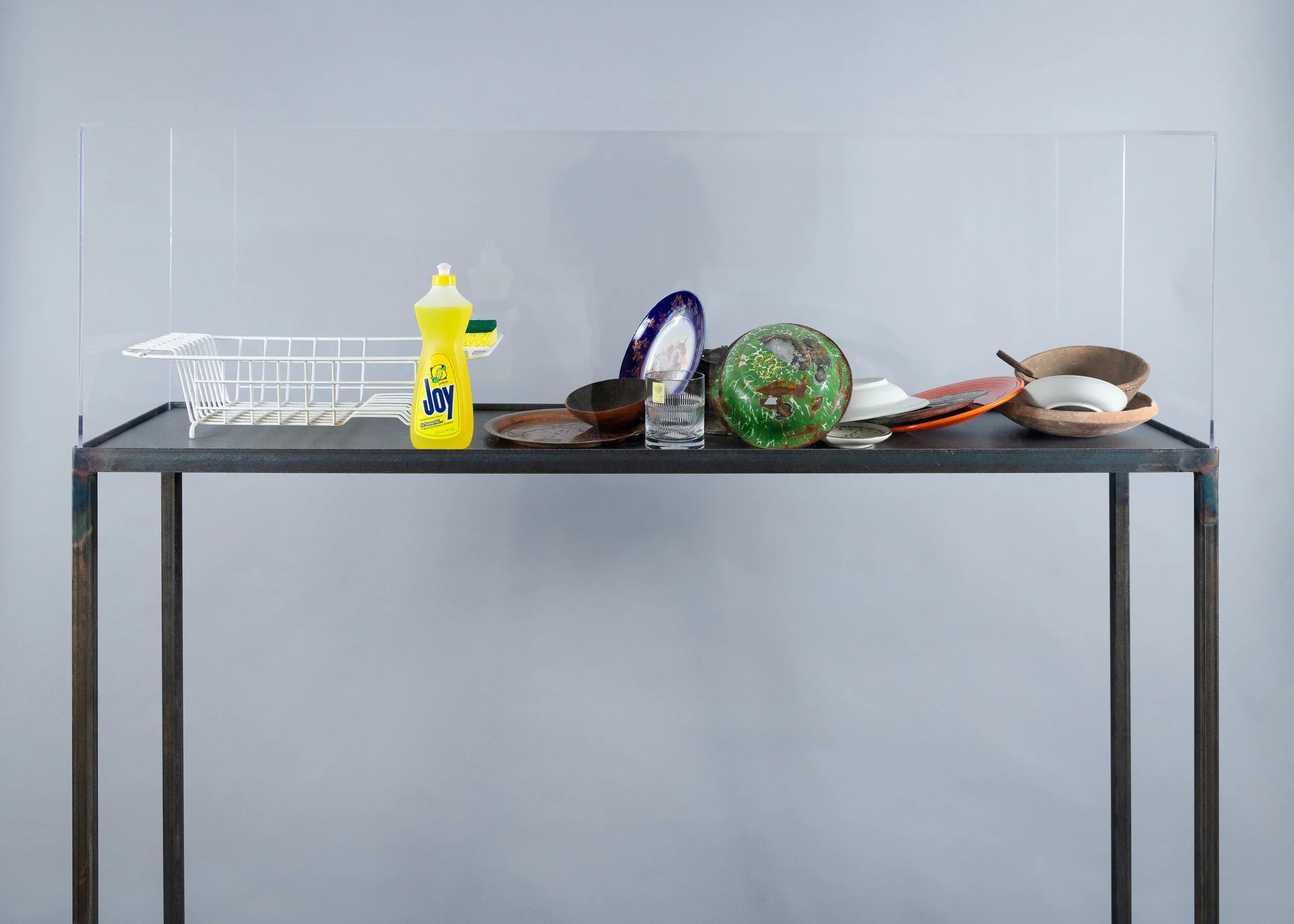
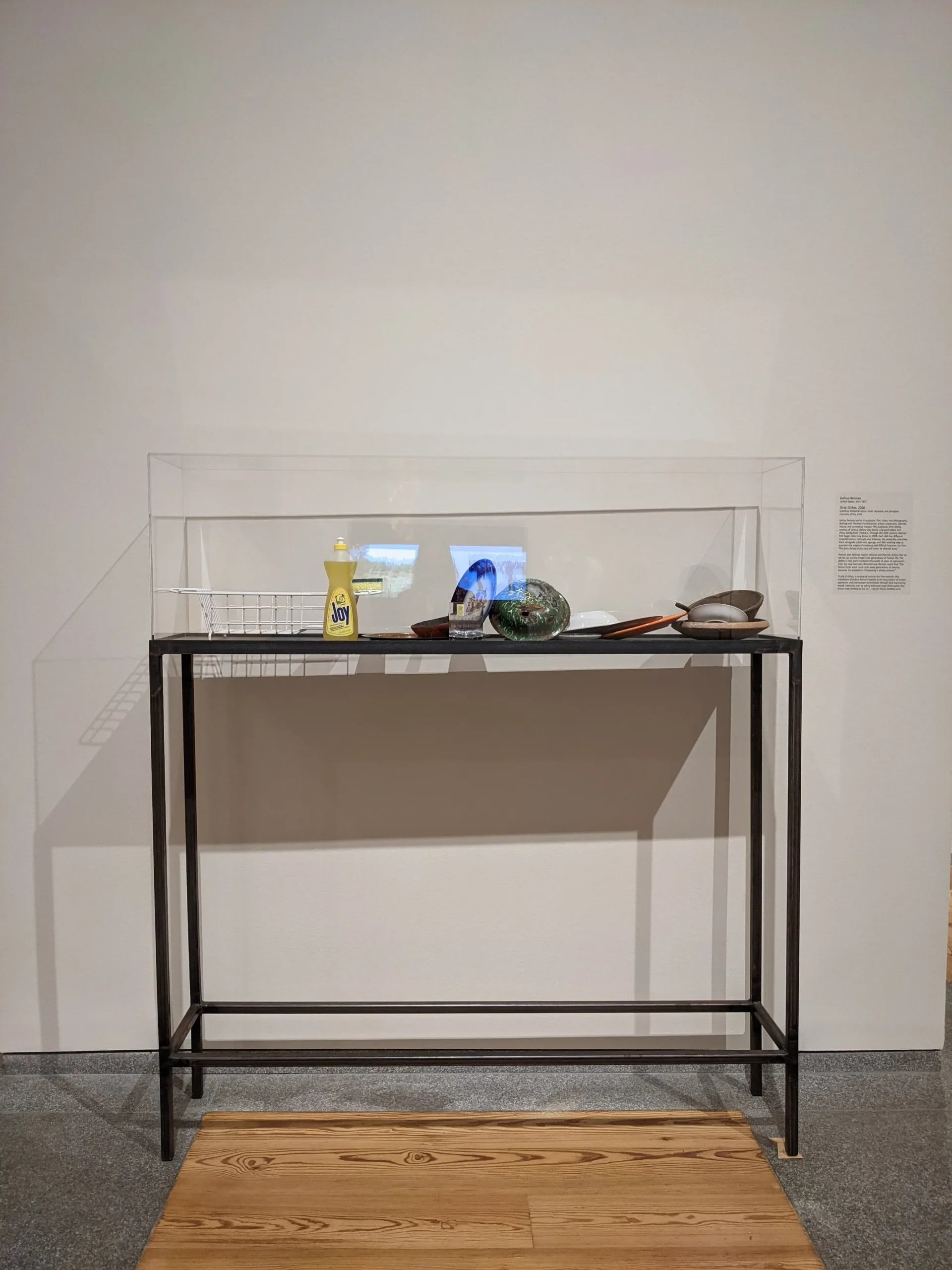
A pile of dishes, a mashup of cultures and time periods—this installation of Joshua Reiman’s speaks to the long history of human oppression and colonization as embodied through food and serving vessels. Ironically, even as we try and wash away these stains, they remain and continue to live on.
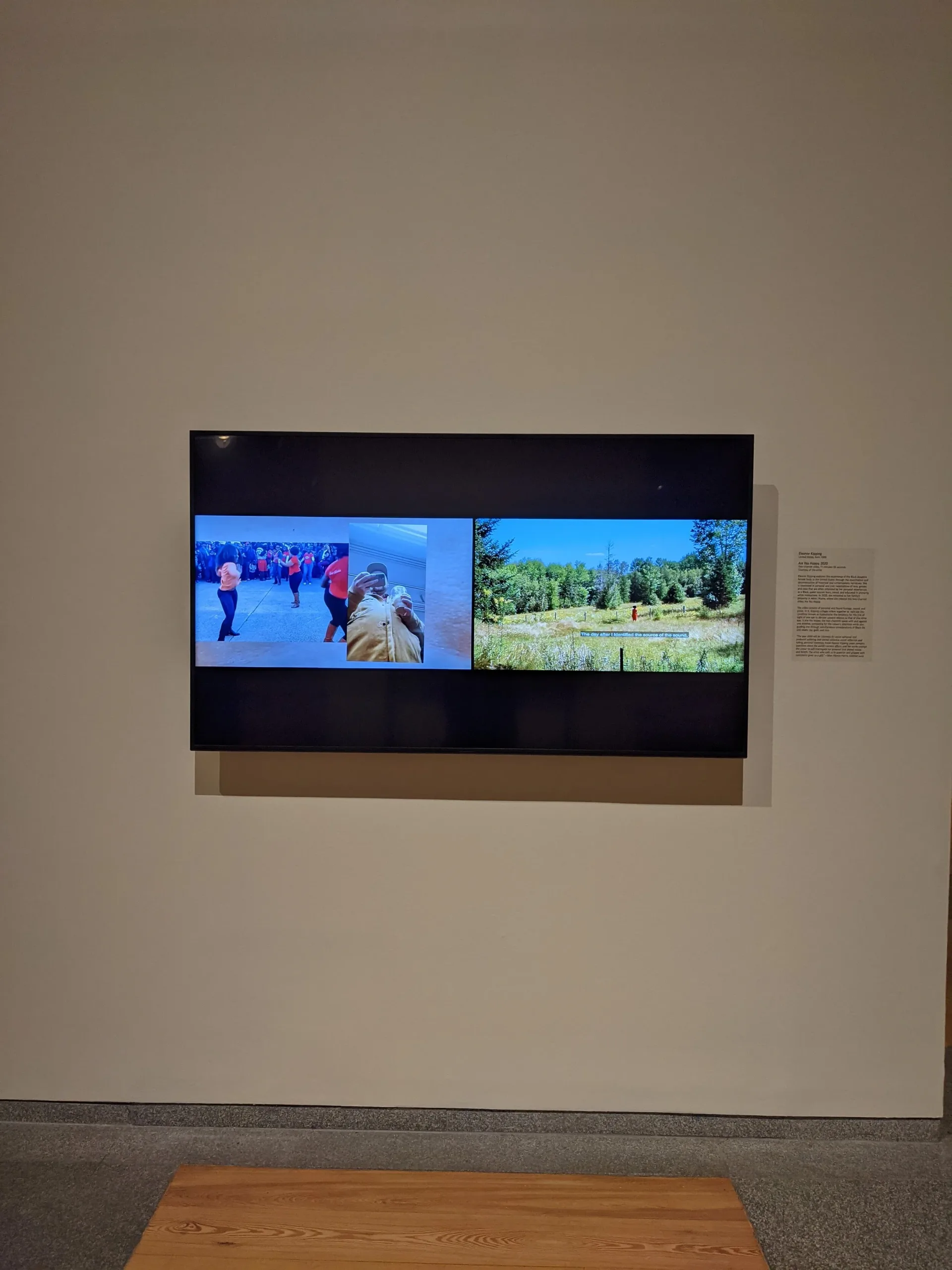
Eleanor Kipping explores the experience of the Black diasporic female body in the United States through the examination and deconstruction of historical and contemporary narratives.
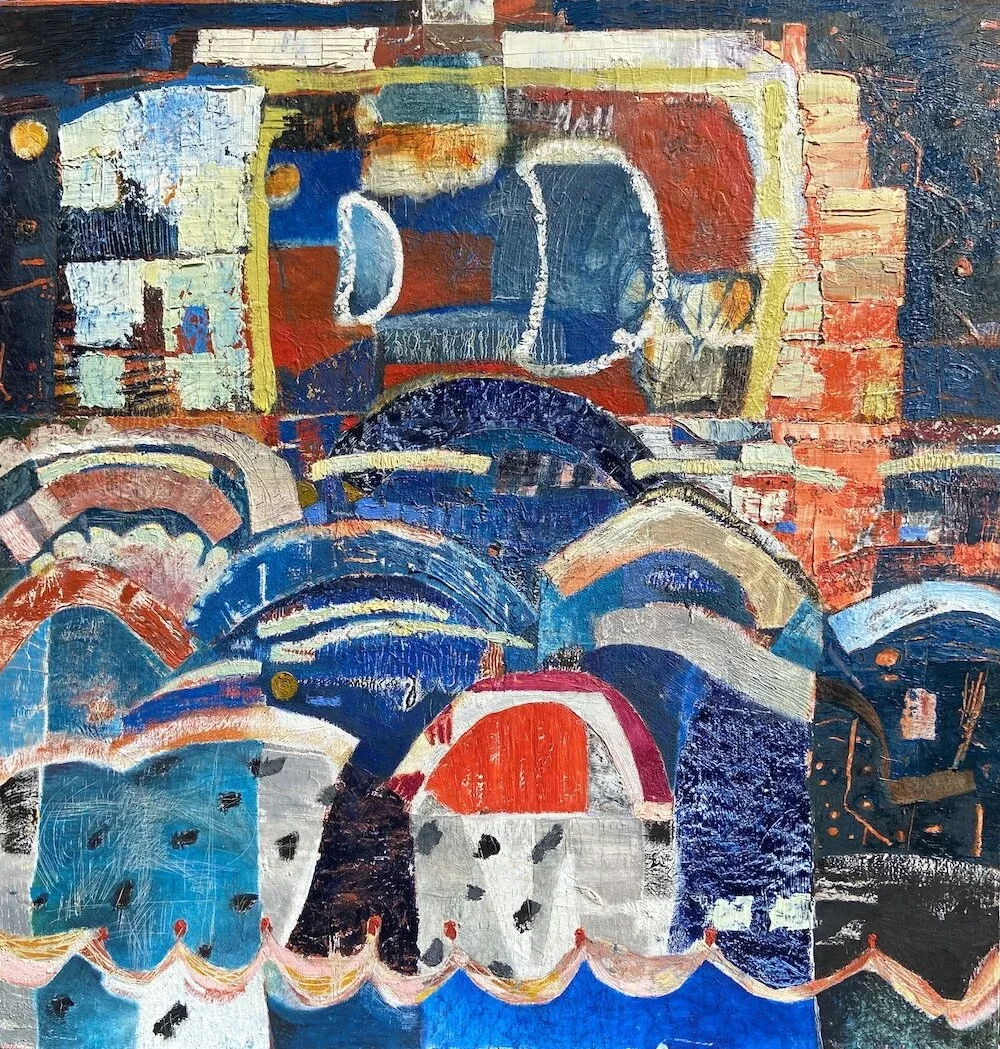
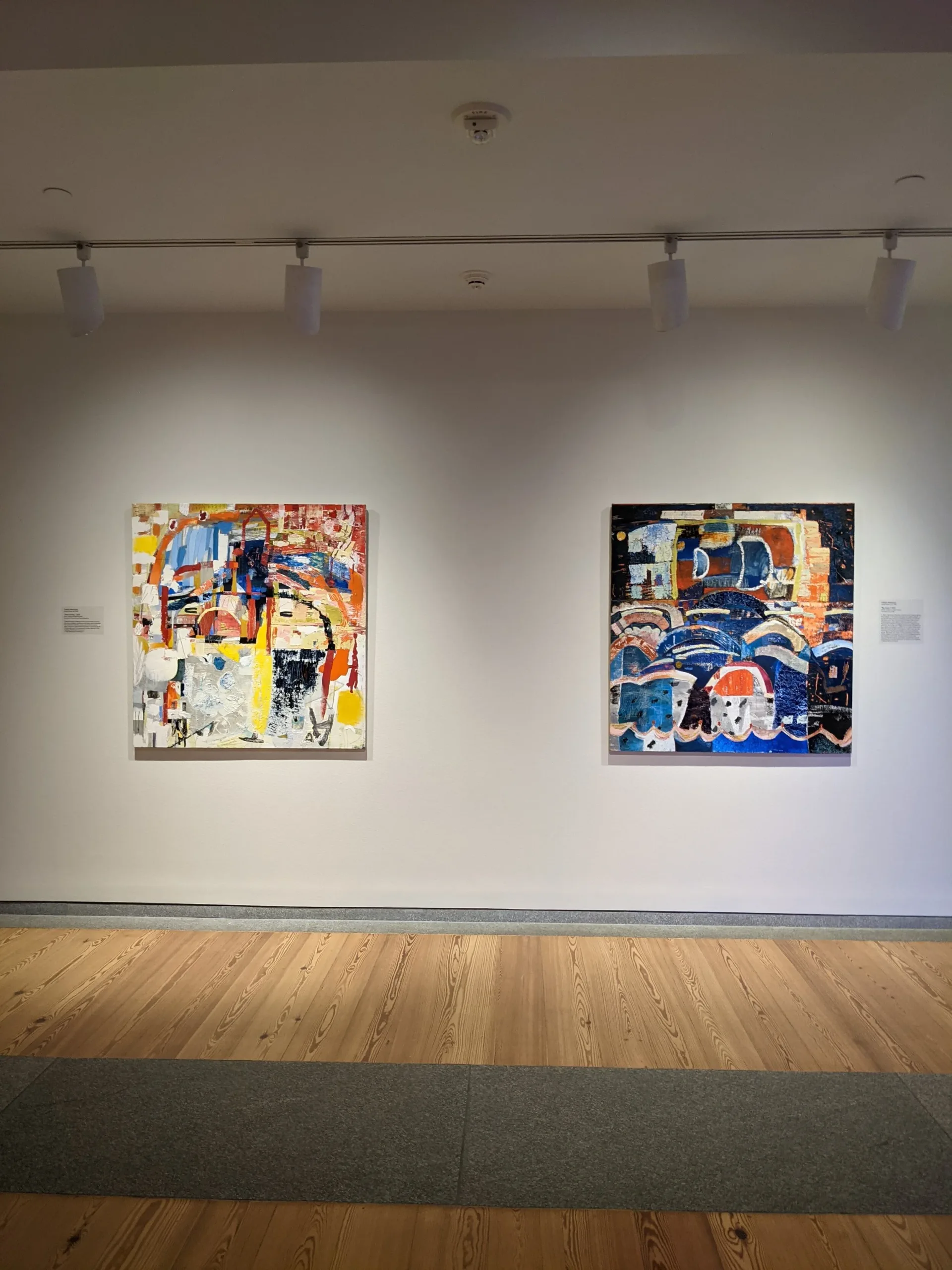
In 2020, Celeste Henriquez reflected on her role as a parent and caregiver in her abstract paintings. Her daughter, Abigail, is a young adult with a profound intellectual disability and requires the artist’s care. These two paintings are from a body of work titled Guardians, which began in 2020 pre-pandemic when her daily life combined managing her care from a distance and painting in her studio; then Abigail came down with the coronavirus in early March and strangers cared for her at a health facility.
Material, process, and intuition are core concepts in the sculpture of Steve Bartlett. Intentionally ambiguous, his work draws on elements of abstraction, the human body, and nature.
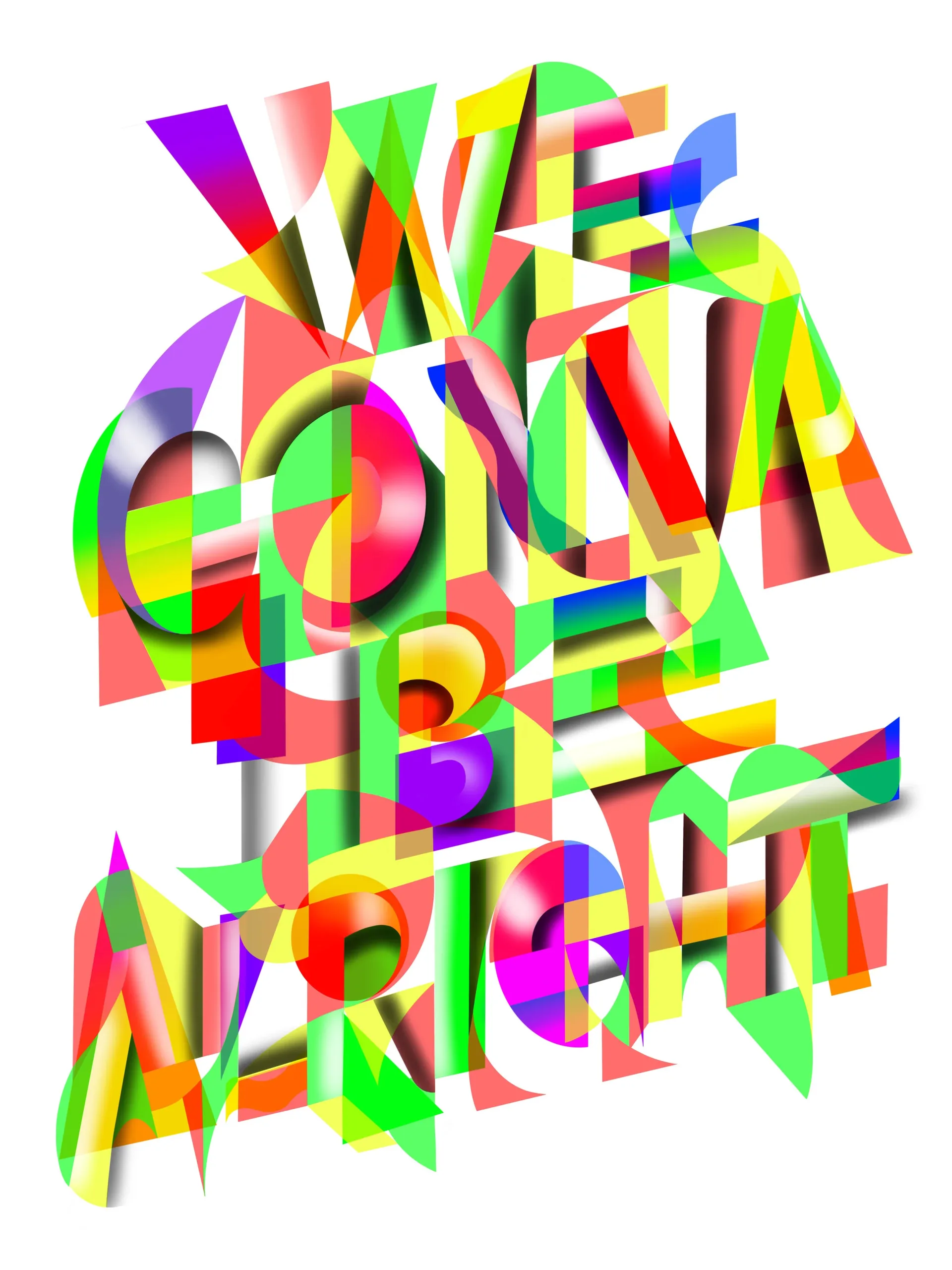
The print We Gonna Be Alright is a digital piece created during the first two weeks of quarantine, when every day was clouded with an uncertainty that permeated throughout every facet of life.
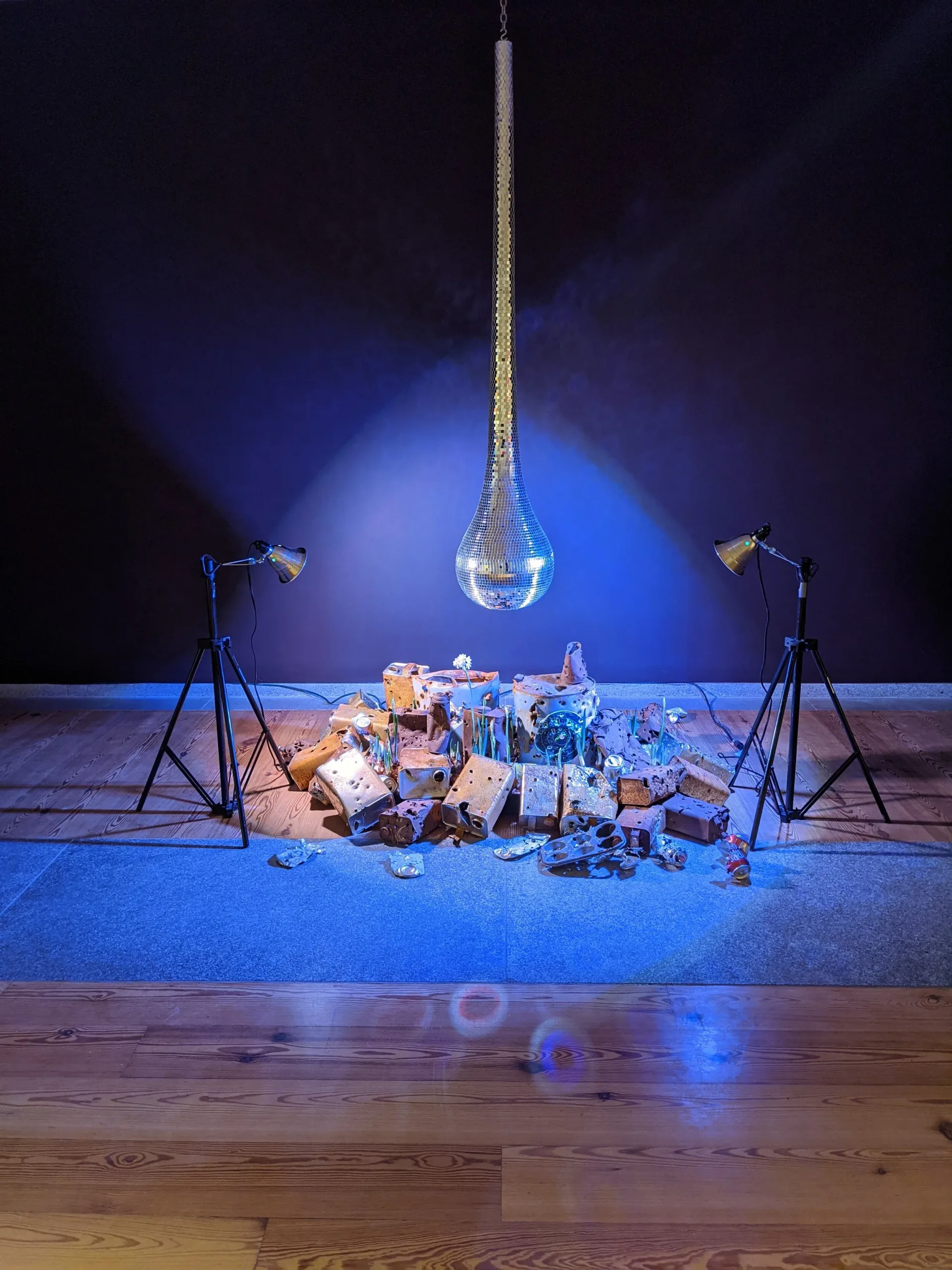
Greta Bank’s sculpture, performances, and installations often use both topical and historical content to provoke social inquiry. Bank describes her work as visual essays, positioning her audience to reflect on diverse matters such as environmental corruption, mass consumption, and social constructs.
The abstract paintings of Henry Austin aim to lay bare what it means to him to be alive. He likens the intuitive act of painting to dance, recalling the performative nature of 20th-century action painters.
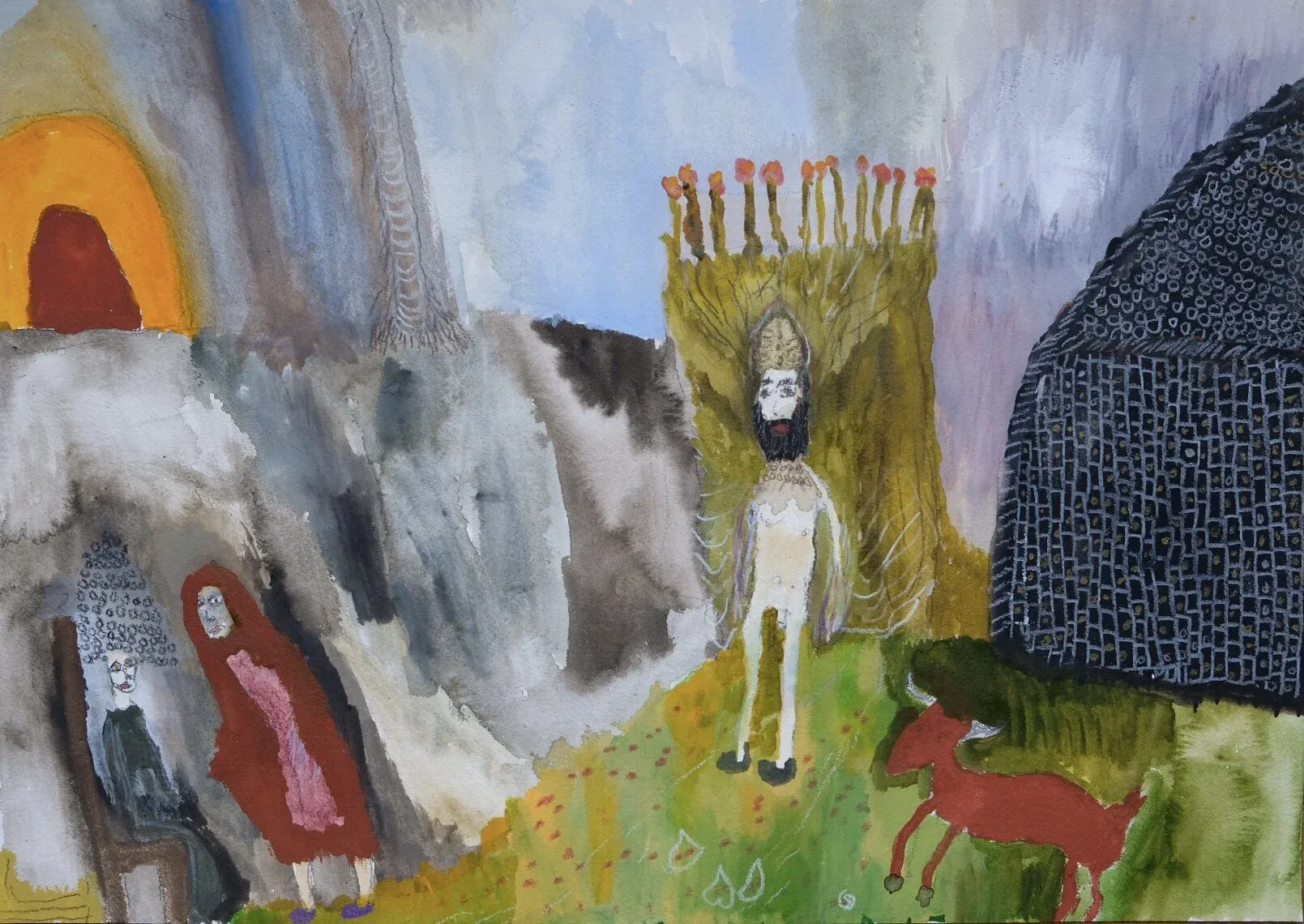
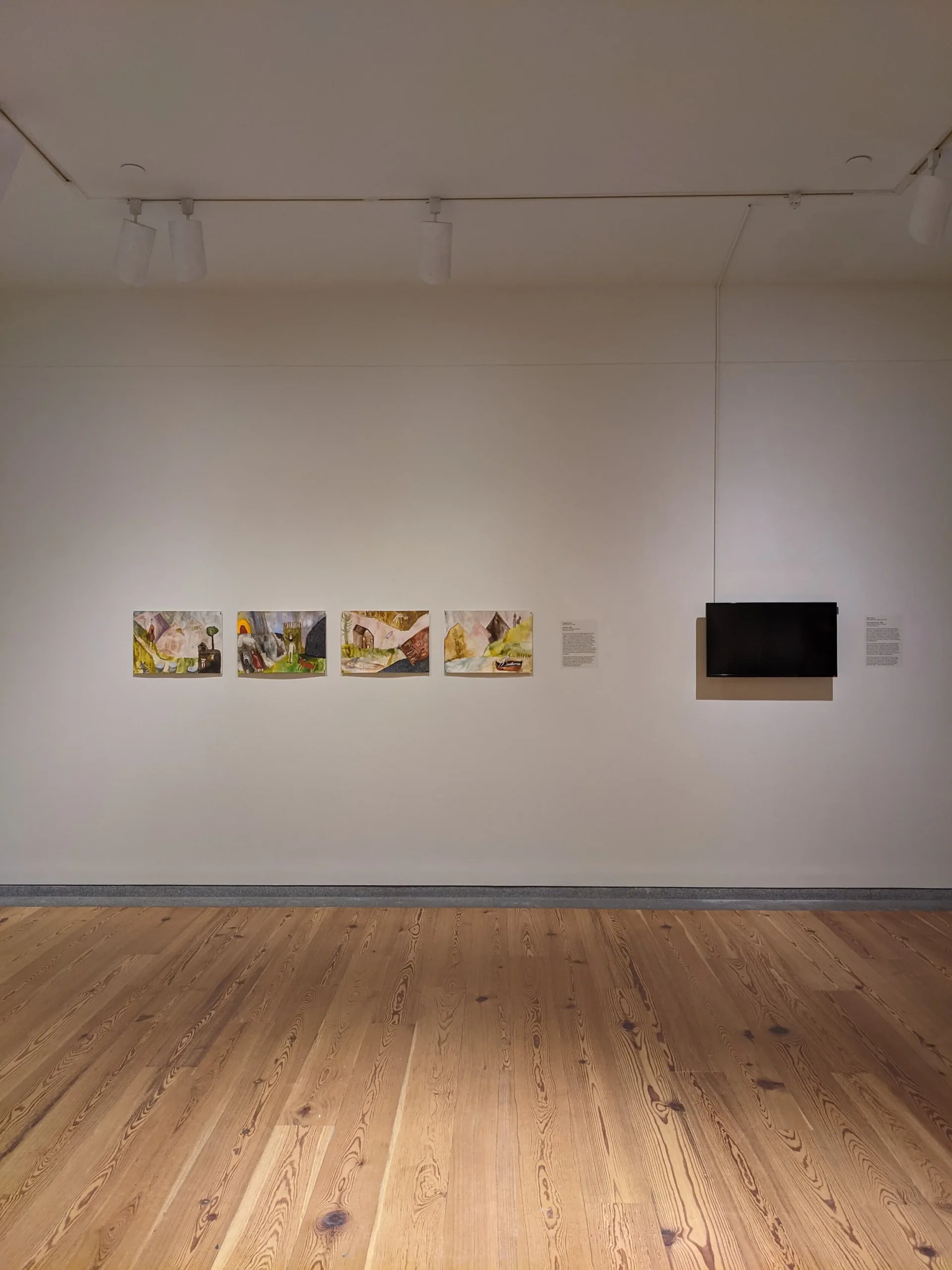
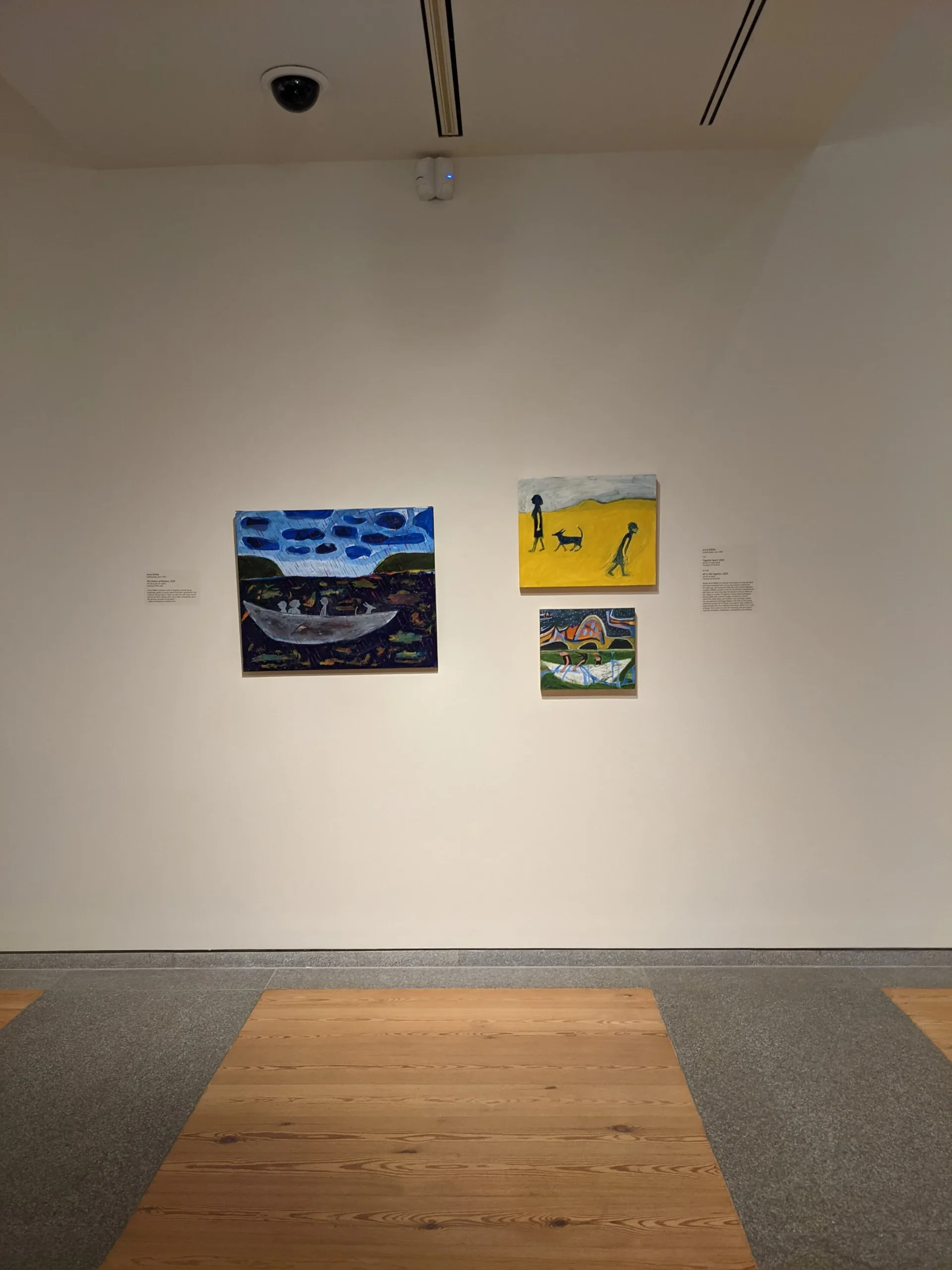
Anna Dibble’s winsome world of imaginary climate-based landscapes speaks to people experiencing both vulnerability and resilience. We see them in boats on what she calls ‘early oceans’ and we see them walking alone with a dog in beautifully spare but perhaps wounded surroundings.
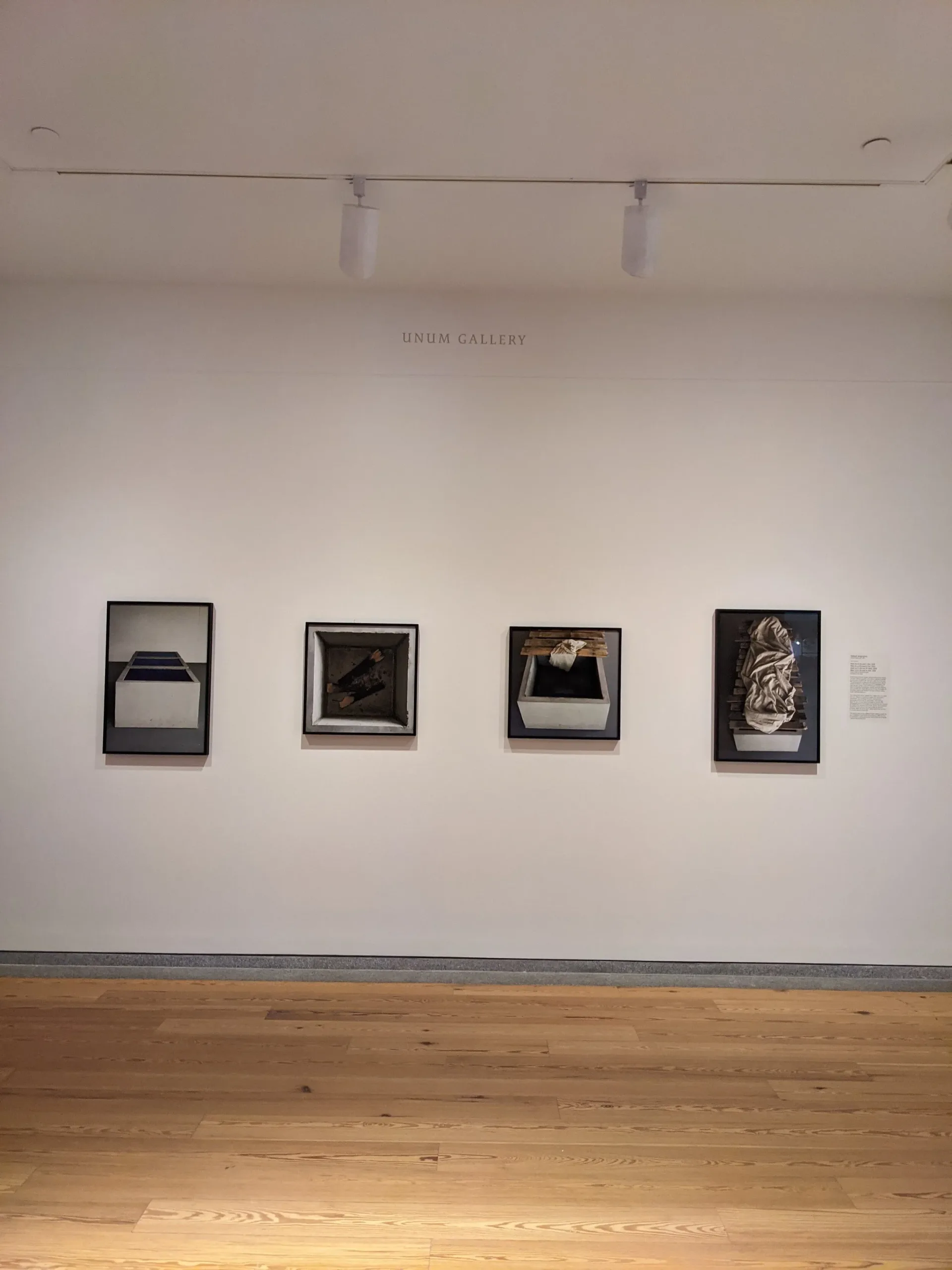
Performance artist and sculptor Deborah Wing-Sproul reflects on social, cultural, economic, and political inequities amplified by the events of 2020 in her new work, Meet me at the pool. This performance and sculpture are informed by community lockdowns and isolation as well as the tension between presence and absence. The swimming pool—a place of social exclusivity and a sign of wealth and leisure—is the starting point of investigation.
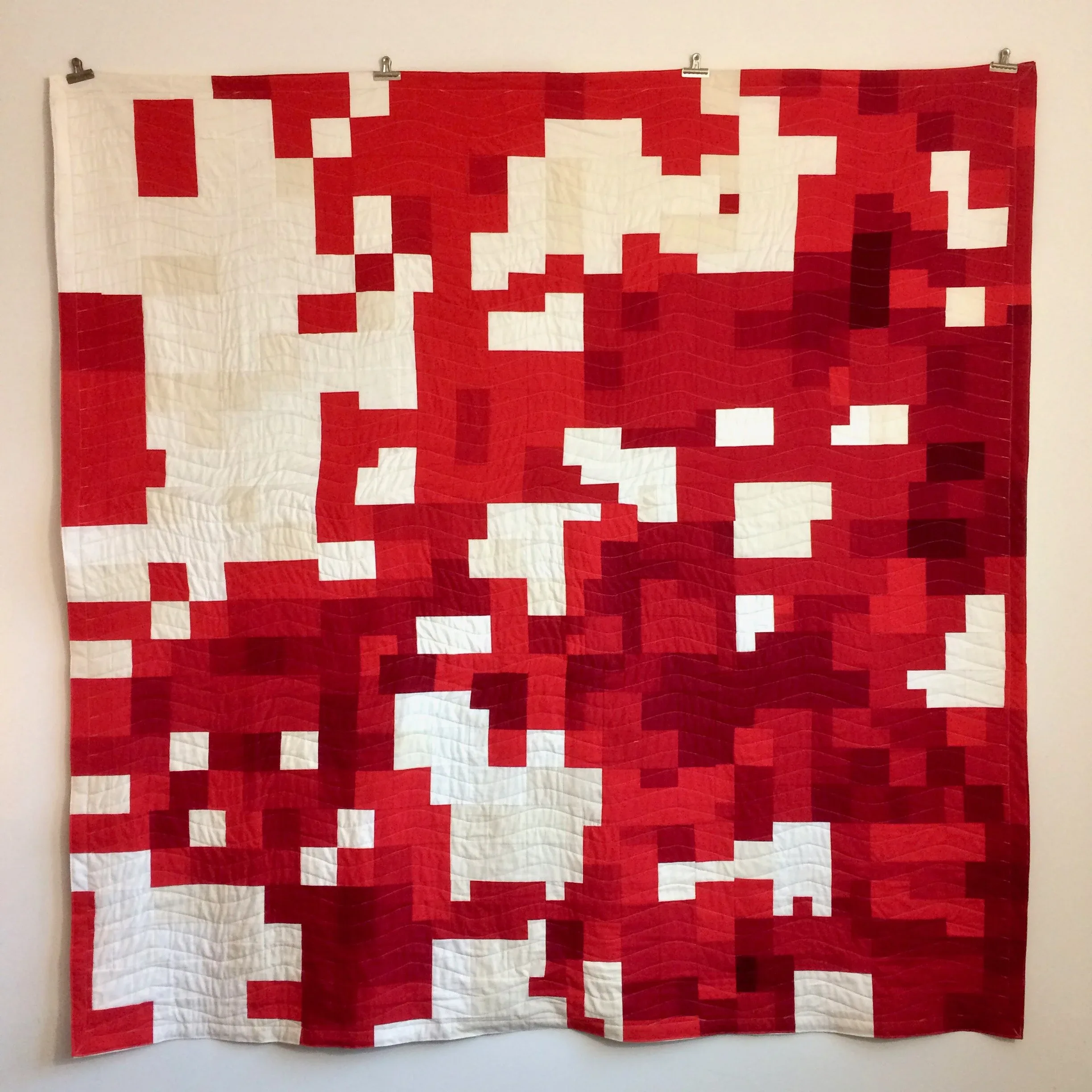
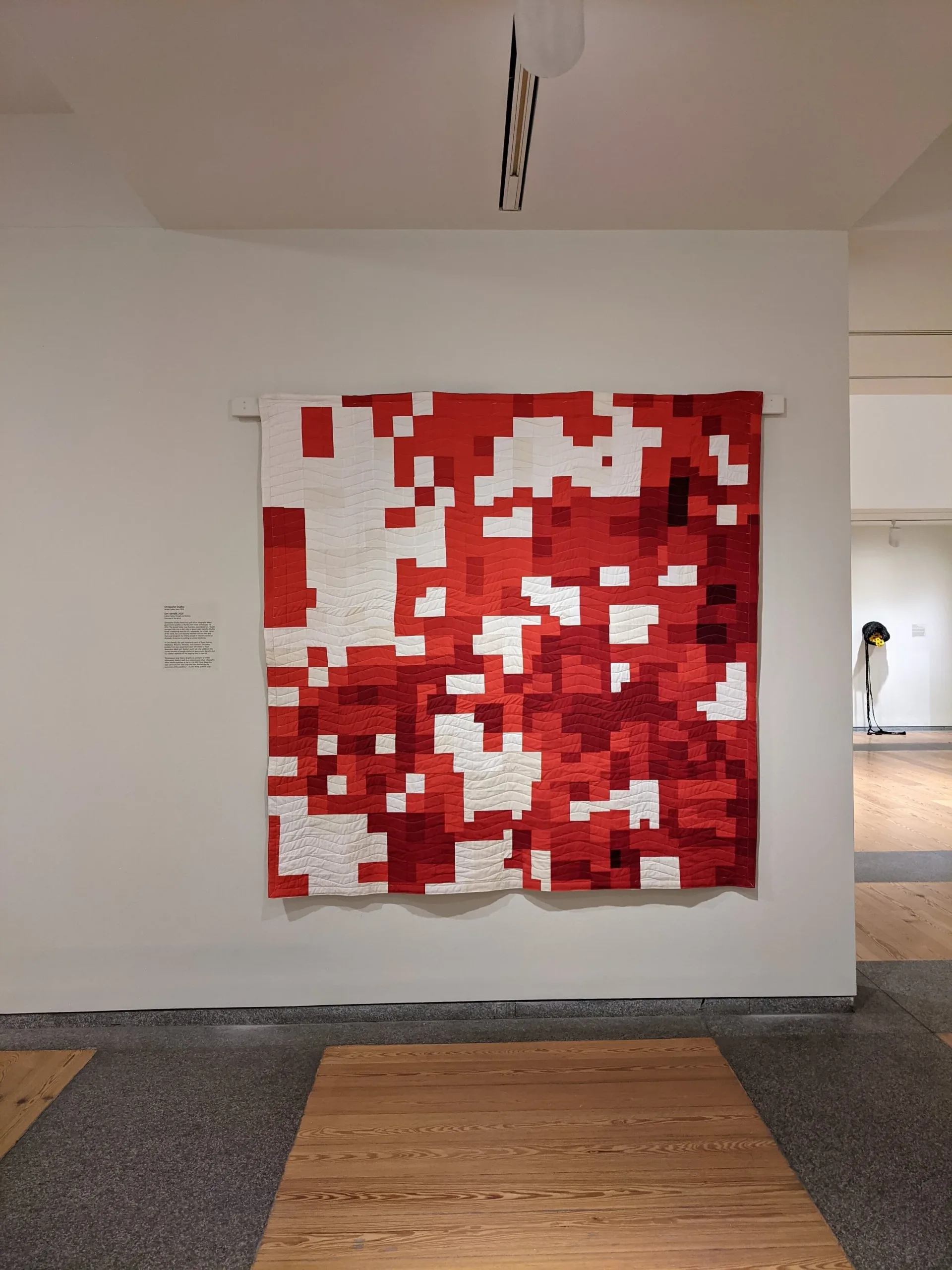
Christopher Dudley based this quilt off an infographic about government benefits in The New York Times on February 12, 2012. The United States map illustrates areas (based on a state’s counties) that rely or don’t rely on government benefits. Dudley found it saddening that the U.S., supposedly the richest nation of the world, has such disparity between rich and poor and that social programs for helping people in need are viewed so divisively. He turned to quilting to convey his dismay.
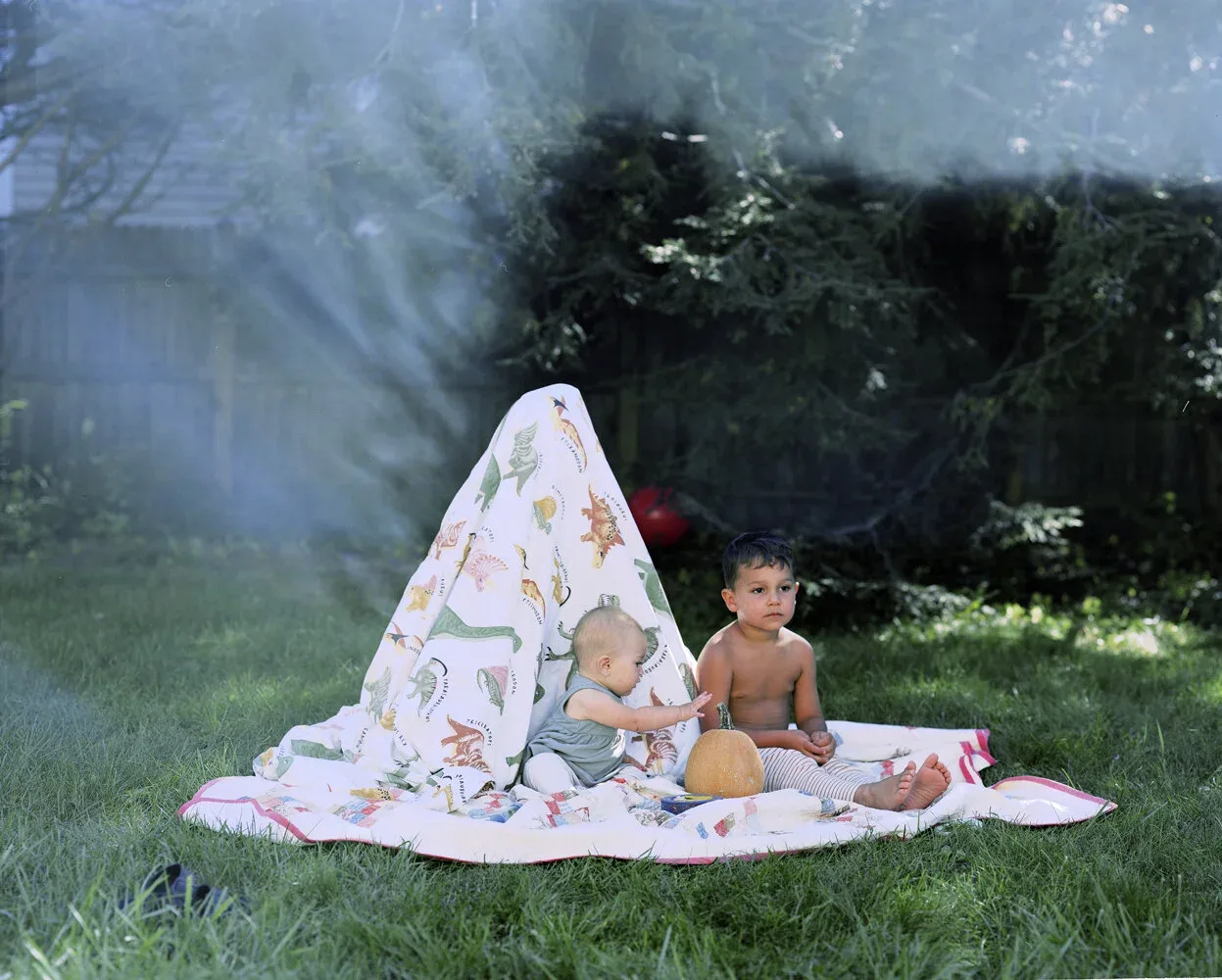
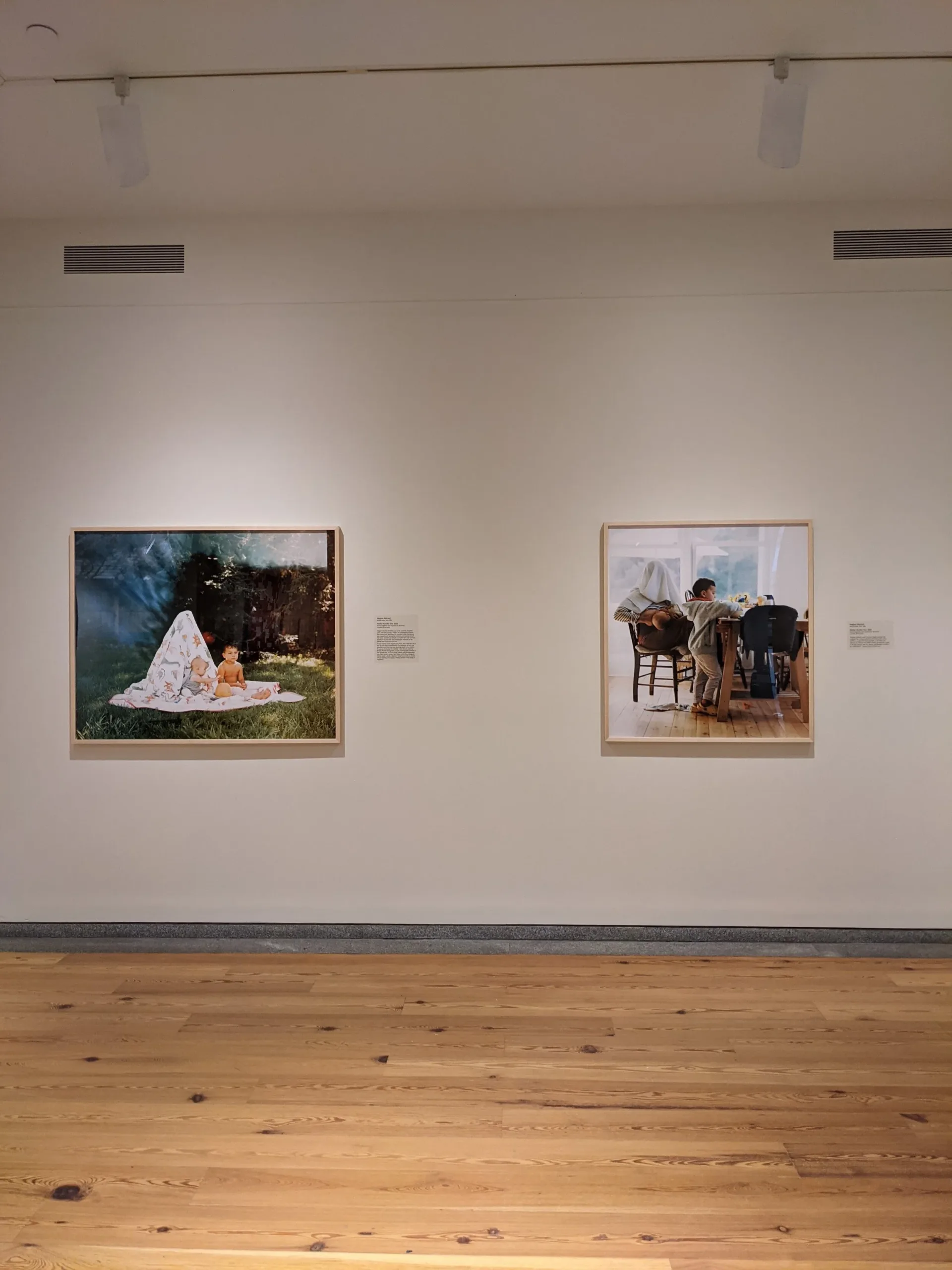
Like many families in 2020, Gross’ family life shifted when the pandemic hit Maine. During these six months together, Gross felt the ordinary and extraordinary weave together: a birthday celebration, the Fourth of July, a Black Lives Matter protest and march organized by students at South Portland High School, among others.
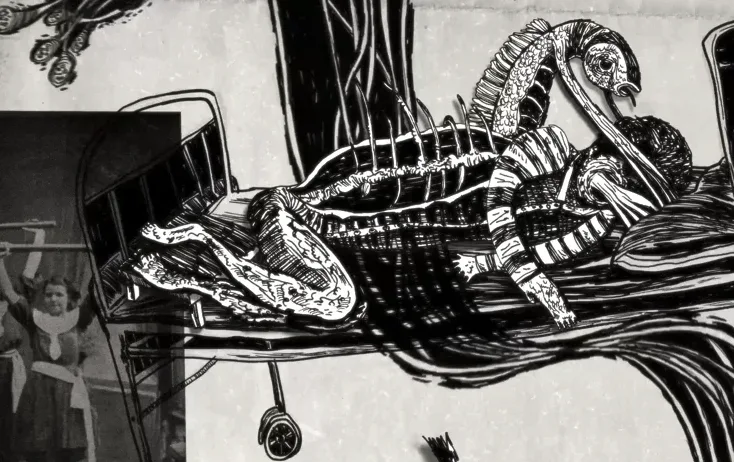
We find mythic beings, whose bodily forms are androgynous or otherwise unspecified, caught in nightmarish landscapes—some wear masks and tease animals, others float in rivers or baths, perhaps conversing with spirits.
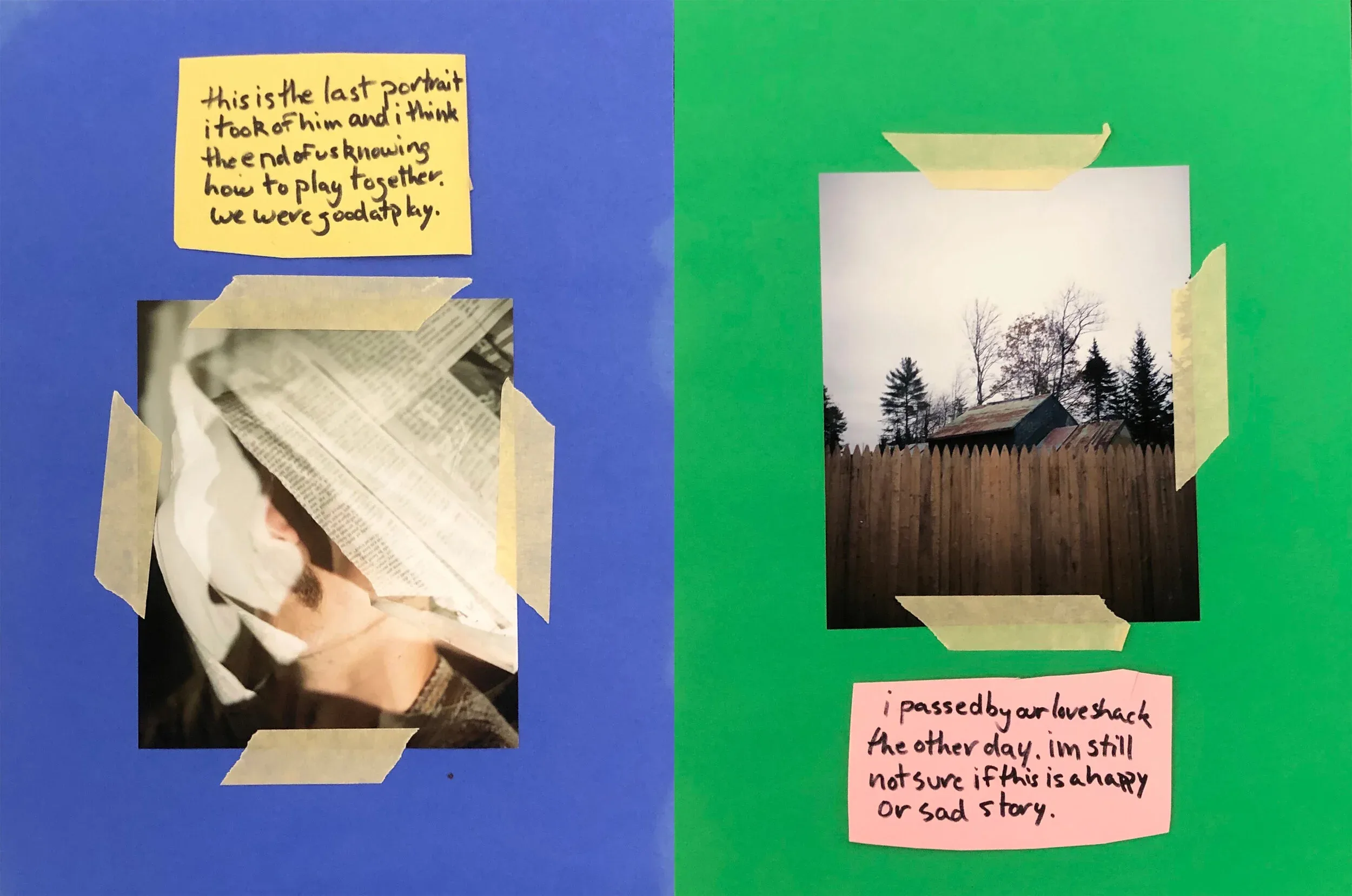
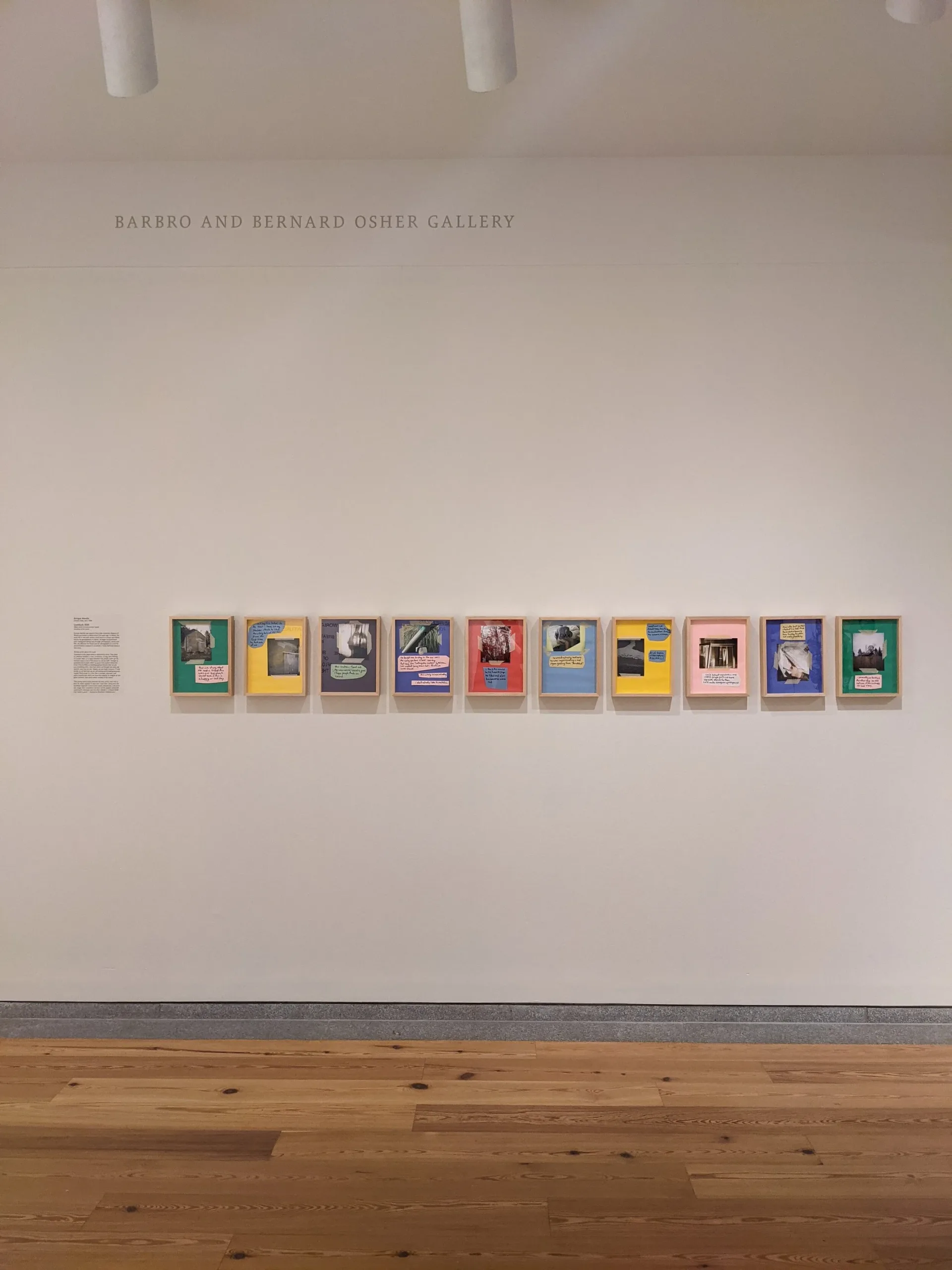
In Maine, Enrique Mendía began to experiment with making and telling tales through photographs, words, and film. His affection for fiction and for photography as a tool for documentation coalesce in Loveshack, a loose-leaf book about a love story.
Meghan Mitchell identifies as an artist, a woman, daughter, sister, and more recently, mother. Her photography explores the meaning and significance of universal human interactions and experiences by recreating moments and inserting herself into them.
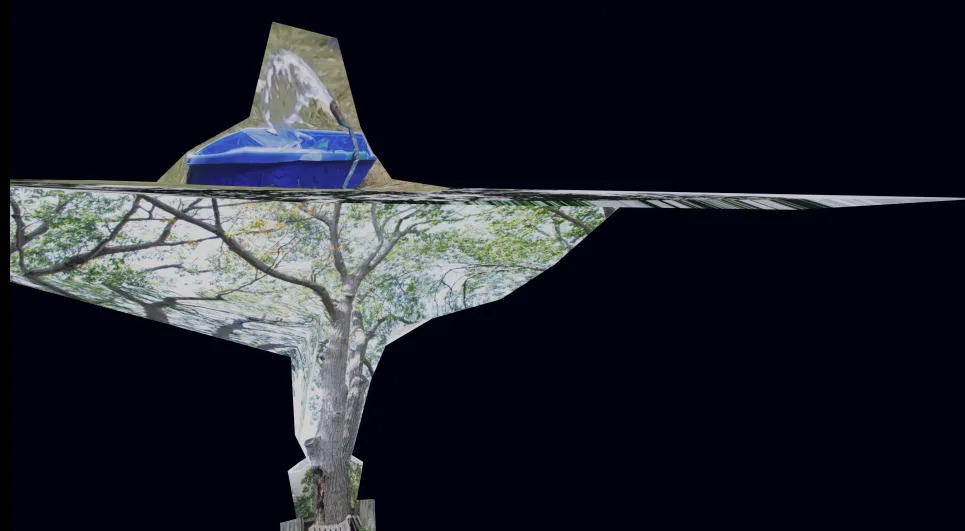
Elijah Ober’s video practice honors small creatures as proxies of encompassing ecosystems and histories. In his work, the artist co-opts, subverts, and reveres the slippery power of digital images to embody themselves and alter our physical and social structures.
In her work, Ashley Page explores the vulnerability, grace, and complexities of the Black experience. She believes art is a vessel used to present larger conversations about representation and visibility of the African American image, intellect, and spirit. Employing paper, fiber, and steel in her work, she envisions a world where individuals are given the autonomy to represent themselves.
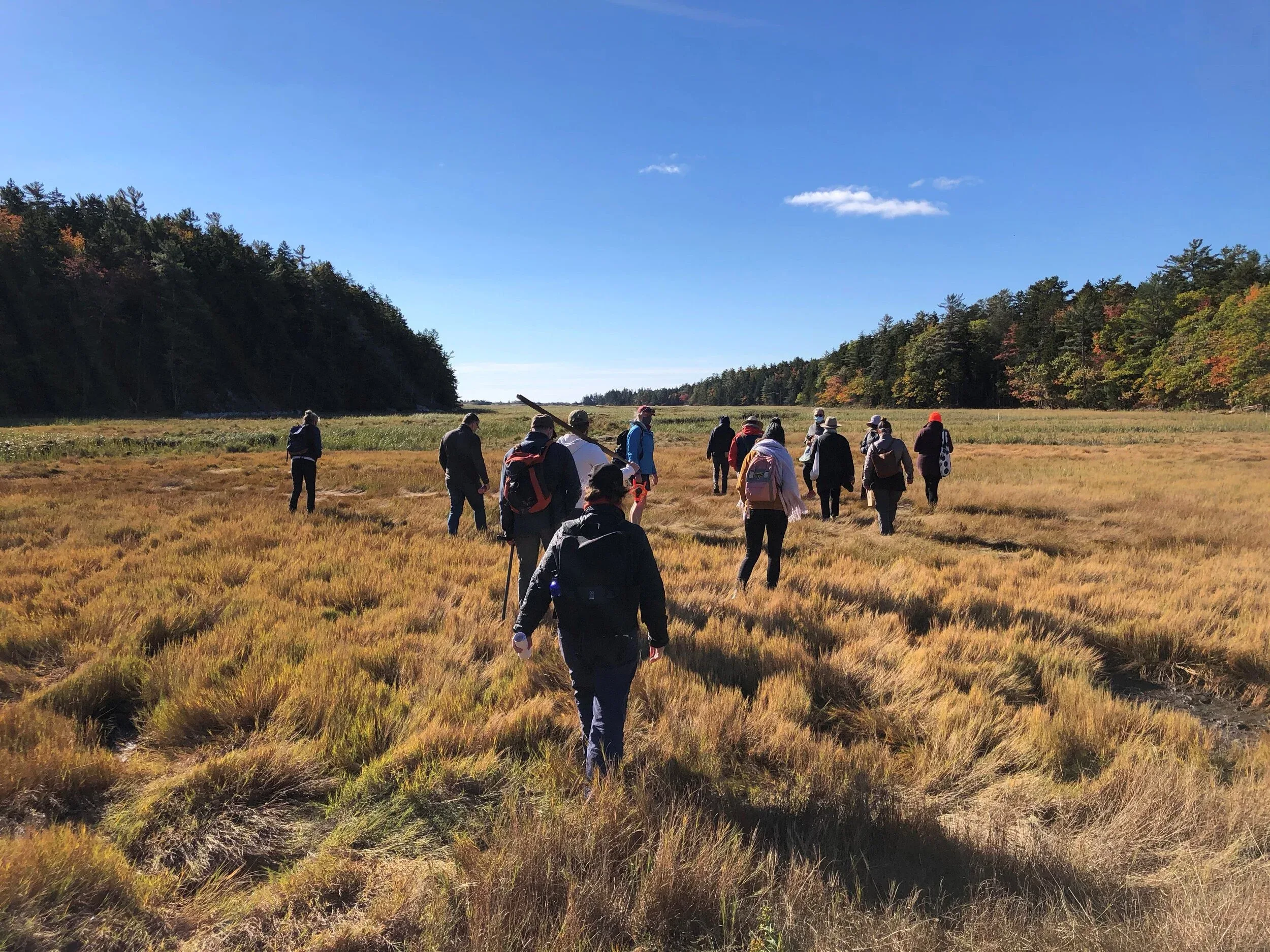
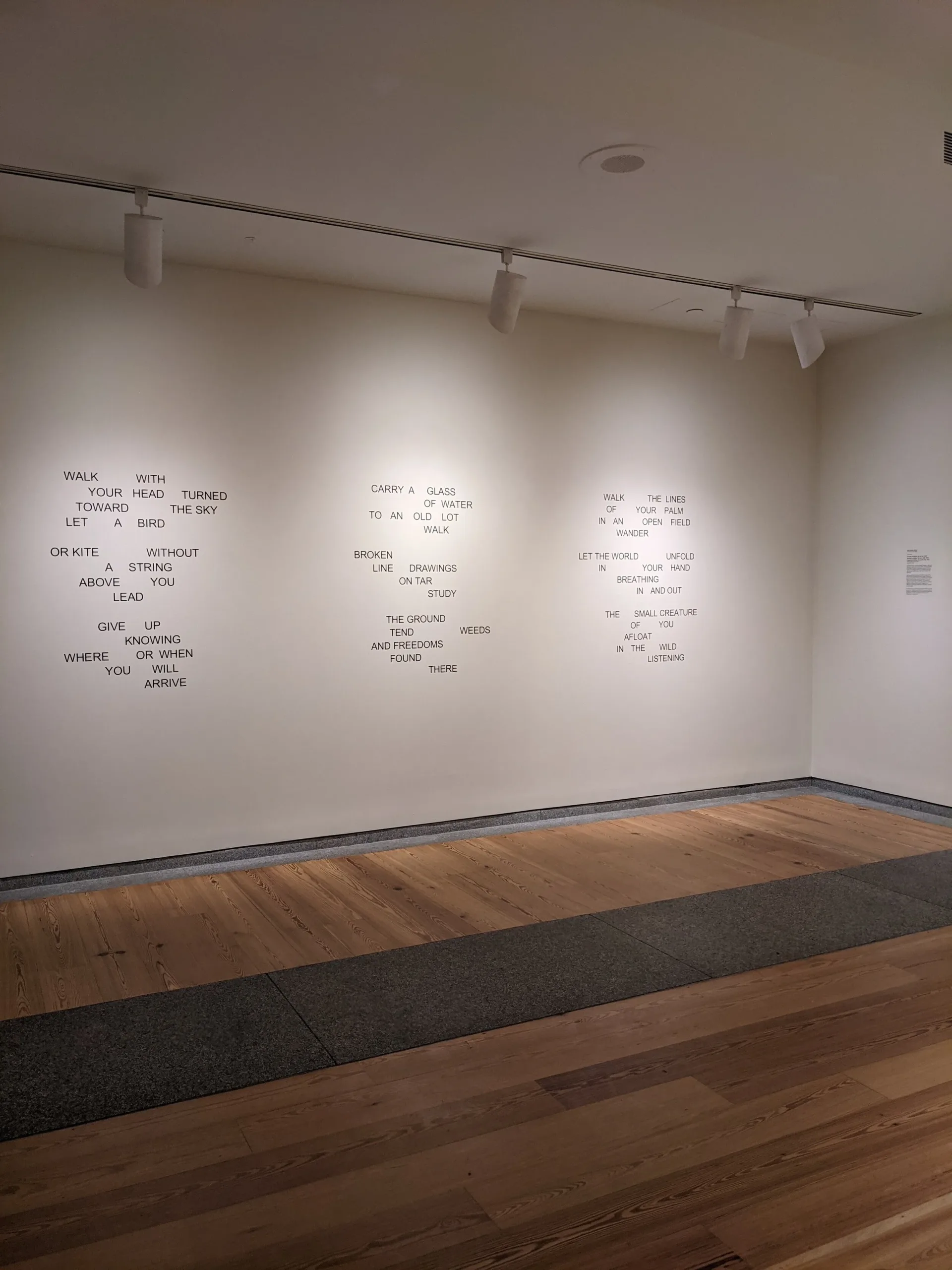
The relationship between site, story, and mobility fuels a wide range of research and production, including the relationship between natural histories, myth, and individual story. For Poitras Santos, walking is a form of listening to a site and giving it agency in an age of climate change.
A few years ago, she embarked on a body of figurative works, which is a longstanding tradition by Maine painters. Stanton credits this shift in her painting practice to her increased involvement with social media as well as the devolving political climate of the past four years. She likens her new painting endeavors to a “fascinating adventure: like dreaming awake.”
Giles Timms, a digital artist based in Orono, Maine, combines media and genres into hybrid art. His work borrows from current events, specifically the terrific and terrifying absurdities of modern life, and he translates his impressions into wistful, animated films. In each animation, Timms casts a leading protagonist, or “Creep” as he refers to them, into environments that possess a familiarity with local settings yet equally surreal architecture.
Artists’ Rapid Response Team! (also known as ARRT!) is a collective of year-round members of the Union of Maine Visual Artists (UMVA). UMVA is dedicated to upholding the dignity of artists, while creating positive social change through the arts.
Related Programs and Events
Conversations with Maine Artists in a ______ Time
Get to know the artists in Untitled, 2020: Art from Maine in a ________ Time in this monthly virtual program series, in which they discuss their works in the exhibition and speak about their backgrounds and artistic practices with the exhibition jurors.
Conversations with Maine Artists in a ______ Time, January 2021
Artist and Juror conversation with Ayumi Horie, Christopher Dudley, Julie Poitras Santos, Joshua Reiman, Evelyn Wong, and Meghan Mitchell.
Conversations with Maine Artists in a ______ Time, March 2021
Artist and Juror conversation with Cody Castle-Stack, Greta Bank, Celeste Henriquez, Gregory Jamie, veronica a perez, and Giles Timms.
Conversations with Maine Artists in a ______ Time, May 2021
Artist and Juror conversation with Kathy Bradford, Henry Austin, Anna Dibble, Enrique Mendía, and Elijah Ober.
Conversations with Maine Artists in a ______ Time, February 2021
Artist and Juror conversation with Séan Alonzo Harris, ARRT!ists Natasha Myers and Nora Tryon, Ryan Adams, Titi de Baccarat, Rosamond Gross, Eleanor Kipping, and Ashley Page.
Conversations with Maine Artists in a ______ Time, April 2021
Artist and Juror conversation with Jeremy Frey, Steve Bartlett, Rachel Church, Charles Schreiber, and Deborah Wing-Sproul.
Two artists from Untitled, 2020: Art from Maine in a ________ Time come together in conversation in each installment of “Intersections,” our free digital event series that runs throughout the exhibition. Through informal, open-ended conversation, these two artists will make new discoveries together, ask questions, and find common ground in their practices.
Intersections with Joshua Reiman and Evelyn Wong, February 2021
Intersections with Greta Bank and Eleanor Kipping, May 2021
Intersections with Enrique Mendía and Elijah Ober, April 2021
Gallery Installation
Untitled, 2020: Art from Maine in a ______ Time is generously supported by the following institutions, organizations, businesses, and individuals:
Individual Support Sue Klein and Tom Joyce
Foundation Support The Bob Crewe Foundation
Corporate Support
Marketing Sponsor
Media Support
This exhibition is part of Art for All.
Art for All supports the PMA’s dedication to being an open, accessible, inclusive, and welcoming museum for all, through exhibitions and programs that reflect our community and create experiences with art that strengthen our bonds and bring us together.
Individual Support Anonymous (2) Judy and John Adelman Justin and Rachael Alfond Louise Bessire Mark and Aimée Bessire Sheri and Joe Boulos Beth L. De Tine Patricia H. Dodd Eileen Gillespie and Timothy Fahey Shannon C. Gordon Cyrus Hagge Alison Hildreth Douglas and Sharyn Howell John and Hilary Isacke Bree LaCasse and Chris Moore Karen L. McDonald Manny Morgan and Chris Corbett Anne and Vince Oliviero Alexander Porteous Richard and Alice Spencer Stewart and Elizabeth Strawbridge Amy Woodhouse and Tobey Scott
Foundation Support
Elmina B. Sewall Foundation Franklin P. and Arthur W. Perdue Foundation, Inc. P.W. Sprague Memorial Foundation
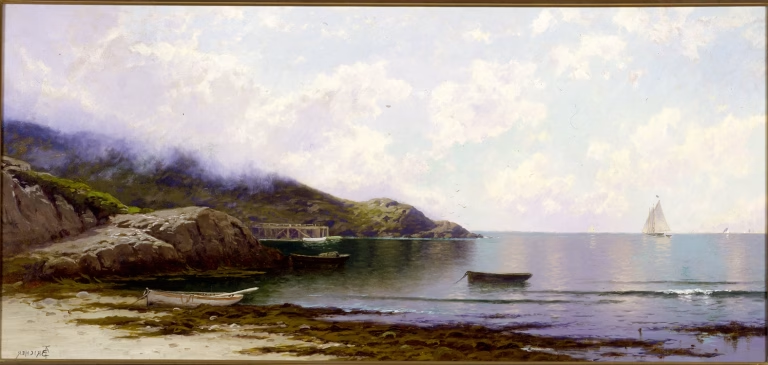
In preparation for Winslow Homer: Painter, Etcher—opening in summer 2026—the PMA developed an exhibition-specific internship...
Manage Consent
To provide the best experiences, we use technologies like cookies to store and/or access device information. Consenting to these technologies will allow us to process data such as browsing behavior or unique IDs on this site. Not consenting or withdrawing consent, may adversely affect certain features and functions.
Functional
Always active
The technical storage or access is strictly necessary for the legitimate purpose of enabling the use of a specific service explicitly requested by the subscriber or user, or for the sole purpose of carrying out the transmission of a communication over an electronic communications network.
Preferences
The technical storage or access is necessary for the legitimate purpose of storing preferences that are not requested by the subscriber or user.
Statistics
The technical storage or access that is used exclusively for statistical purposes.The technical storage or access that is used exclusively for anonymous statistical purposes. Without a subpoena, voluntary compliance on the part of your Internet Service Provider, or additional records from a third party, information stored or retrieved for this purpose alone cannot usually be used to identify you.
Marketing
The technical storage or access is required to create user profiles to send advertising, or to track the user on a website or across several websites for similar marketing purposes.